Introduction
Measles is a highly contagious viral infection that poses a serious health threat, particularly to unvaccinated populations. Understanding measles symptoms is crucial for early detection and treatment, which can prevent severe complications and potential outbreaks. Given the resurgence of measles in various parts of the world, especially among communities with declining vaccination rates, awareness of the symptoms is more relevant than ever.
Common Measles Symptoms
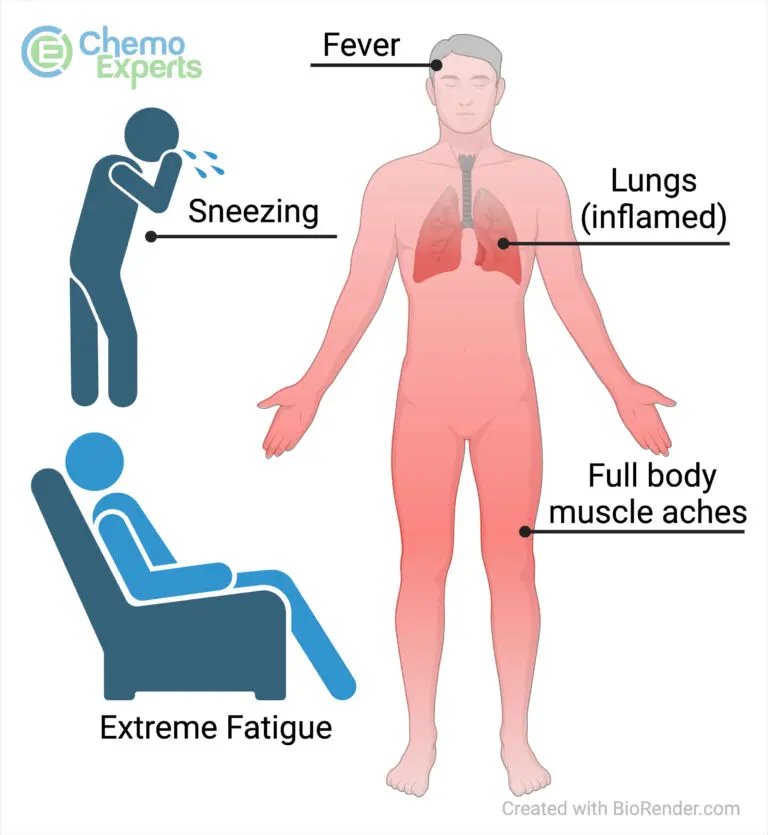
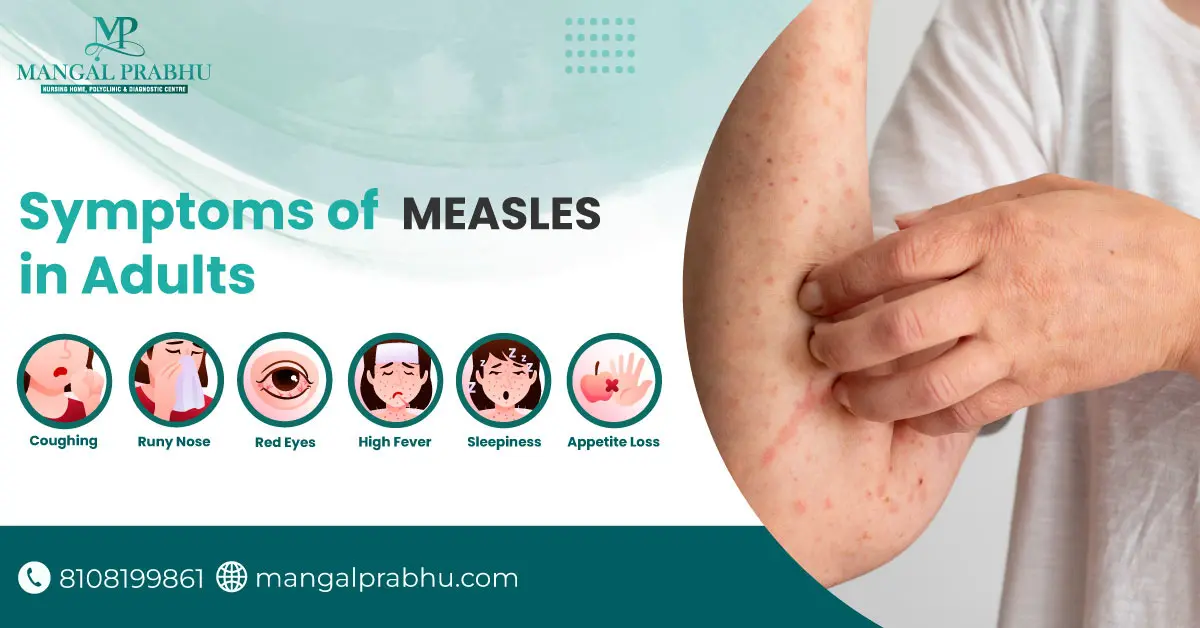
The symptoms of measles typically appear 10 to 14 days after exposure to the virus. Initially, the infected person may experience mild symptoms, which can progress to more severe manifestations. Common symptoms include:
- High Fever: Often the first sign, with temperatures reaching up to 105°F (40.6°C).
- Dry Cough: A persistent cough that develops as the infection progresses.
- Runny Nose: Similar to cold symptoms but is often accompanied by other features.
- Red Eyes: Conjunctivitis can develop, making the eyes watery and sensitive to light.
- White Spots in the Mouth: Also known as Koplik spots, these small white lesions appear inside the cheeks.
- Rash: A characteristic measles rash usually appears 3 to 5 days after fever onset. It starts at the hairline, spreads to the face and neck, and then the rest of the body.
Importance of Early Detection
Recognizing measles symptoms early is vital not just for individual health, but for public health as a whole. Measles can lead to serious complications such as pneumonia, encephalitis, and even death, particularly in young children and individuals with compromised immune systems. Early diagnosis allows for prompt isolation of the infected person to limit spread and immediate supportive care if needed.
Recent Trends and Recommendations
According to the World Health Organization (WHO), the incidence of measles has increased globally, with significant outbreaks reported in Europe and the United States in recent years. Health authorities recommend that individuals stay current with vaccinations, ensuring that children receive the MMR (measles, mumps, rubella) vaccine at the ages of 12-15 months, with a booster between 4-6 years.
Conclusion
Measles symptoms can be alarming, but awareness and vigilance can drastically reduce the risks associated with this preventable disease. As the global community faces challenges in vaccination rates, recognizing these symptoms is crucial for effectively managing outbreaks and safeguarding the health of susceptible populations. Being informed and proactive can ensure that measles remains a part of history, rather than a recurring health threat.