Introduction to Lyme Disease
Lyme disease is a significant public health concern, particularly in the Northeastern and Upper Midwest regions of the United States. Transmitted mainly through the bite of infected black-legged ticks, Lyme disease has been on the rise in recent years, with increased incidence prompting greater public awareness and preventive measures. Understanding its symptoms, treatment options, and prevention strategies is vital for individuals at risk and the general public.
What is Lyme Disease?
Lyme disease is caused by the bacterium Borrelia burgdorferi. According to the Centers for Disease Control and Prevention (CDC), approximately 30,000 confirmed cases are reported in the U.S. each year, but estimates suggest the true number may be around 476,000 when including unreported cases. Symptoms often appear within three to 30 days after a bite and can range from mild to severe, necessitating prompt medical attention.
Common Symptoms
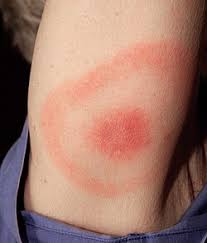
The hallmark symptom of Lyme disease is a characteristic skin rash known as erythema migrans, often resembling a “bull’s-eye” pattern. Other early symptoms may include:
- Fever and chills
- Fatigue
- Muscle and joint aches
- Swollen lymph nodes
If left untreated, Lyme disease can progress to more serious neurological or cardiac issues, including facial palsy and heart rhythm irregularities. Chronic Lyme disease can also lead to long-term effects, including joint pain and cognitive difficulties.
Recent Developments in Lyme Disease Awareness
Recent health surveys show a growing awareness of Lyme disease, with many organizations promoting preventive measures. The CDC emphasizes the importance of personal protective strategies, such as wearing light-colored clothing, using tick repellents with DEET, and performing thorough tick checks after outdoor activities.
Prevention Strategies
Preventing Lyme disease involves a combination of personal habits and environmental management:
- Avoiding tall grass and overgrown vegetation
- Regular yard maintenance to reduce tick habitats
- Checking pets for ticks regularly
- Ensuring timely removal of ticks, ideally within 24 hours of discovery
Conclusion: The Importance of Awareness
With Lyme disease on the rise, continuous education and proactive measures are essential. Communities, healthcare providers, and individuals must work together to enhance awareness regarding symptoms, preventive strategies, and early treatment options. By staying informed and vigilant, we can reduce the incidence of Lyme disease significantly, safeguarding our health and well-being.