Introduction
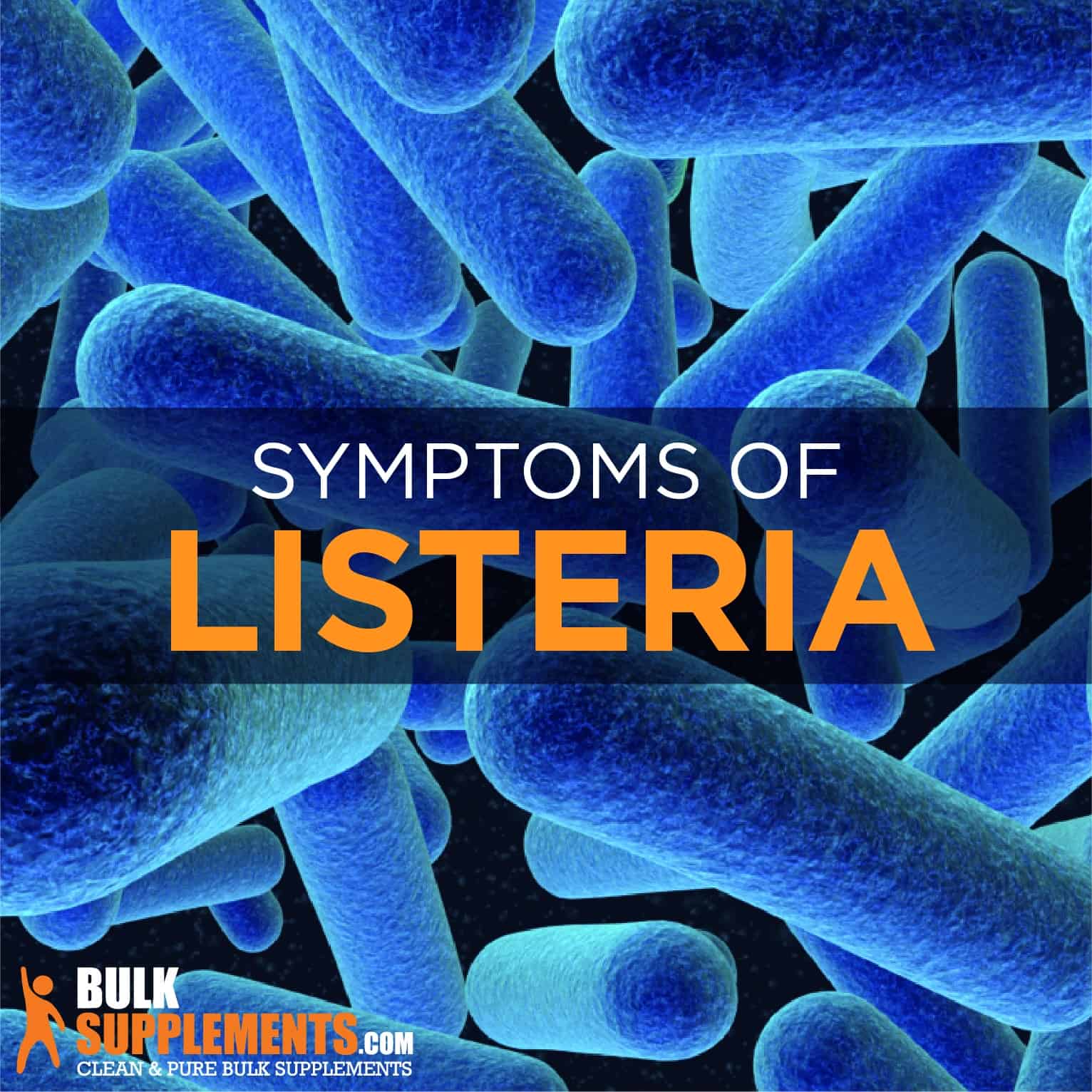
Listeria is a type of bacteria that can cause serious infections, particularly in pregnant women, newborns, the elderly, and individuals with weakened immune systems. Given the rising number of listeriosis outbreaks in recent years, understanding listeria, its health implications, and how to prevent exposure has never been more critical.
Recent Listeria Outbreaks
In 2023, multiple outbreaks of listeriosis have been reported across the United States, linked primarily to contaminated food sources. According to the Centers for Disease Control and Prevention (CDC), there was a notable outbreak traced back to pre-packed salads in grocery stores, impacting over 100 individuals. In another alarming case, listeria was found in deli meats, causing warnings from health officials for consumers to check package labels carefully.
Health authorities have since increased surveillance and testing of food products to prevent further outbreaks. Public health officials recommend consumers regularly check for information on food recalls related to listeria contamination.
Health Risks Associated with Listeria
Eating food contaminated with listeria can lead to a serious illness known as listeriosis, which has symptoms ranging from mild flu-like signs to severe complications such as meningitis and septicemia. Pregnant women are particularly at risk, as listeriosis can lead to miscarriage, stillbirth, or neonatal infection.
The CDC estimates that around 1,600 people in the U.S. each year become seriously ill from listeria, with approximately 260 fatalities. These figures highlight the importance of vigilant food safety practices in mitigating the risks posed by listeria.
Prevention Measures
To reduce the risk of listeria infection, experts recommend several food safety practices:
- Cook: Ensure meats and poultry are cooked to safe internal temperatures.
- Chill: Refrigerate leftovers promptly and reheat them until steaming hot.
- Clean: Wash hands, surfaces, and utensils before and after handling food.
- Separate: Keep raw foods separate from ready-to-eat foods to avoid cross-contamination.
Conclusion
As awareness of listeria continues to grow, it is essential for consumers to stay informed about recent outbreaks and actively practice food safety measures. By understanding the risks associated with listeria and implementing preventive strategies, individuals can significantly reduce their chances of infection and protect vulnerable populations. Continuous research and vigilance in food safety will be key in tackling the ongoing challenge posed by listeria.