Introduction
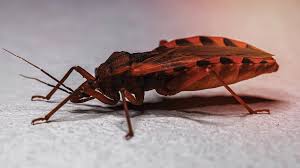
Kissing bugs, known scientifically as triatomine bugs, are the primary vectors of Chagas disease, a serious illness affecting millions in Latin America. Understanding their behavior and the disease they transmit is critical not only for public health in endemic regions but also for the growing concern in non-endemic areas, particularly in the United States, where climate change is extending the habitats of these insects.
The Kissing Bug and Its Habitat
These nocturnal insects prefer to reside in cracks and crevices of poorly constructed houses, particularly in rural areas. Kissing bugs feed on the blood of mammals, including humans, and are known for biting around the mouth and eyes, which is where they get their nickname. They primarily thrive in warmer climates, and with rising temperatures, their range is expanding.
Chagas Disease Transmission
Chagas disease is caused by the parasite Trypanosoma cruzi. When kissing bugs bite, they defecate, and the parasite can enter the bloodstream when the person inadvertently scratches the bite area. According to the Centers for Disease Control and Prevention (CDC), approximately 6 to 7 million people are infected with Chagas disease worldwide. The disease often goes unrecognized in its early stages, as it may present mild flu-like symptoms or none at all. However, if left untreated, it can lead to severe heart and digestive issues in later stages.
Prevention and Treatment
Preventive measures focus on reducing contact with kissing bugs. This includes improving housing infrastructure, using insecticides, and maintaining good hygiene in sleeping areas. There are specific treatments available for Chagas disease, including antiparasitic medications that are most effective when administered soon after infection. Public health initiatives in Latin America aim to educate communities about the risks and symptoms associated with the disease and reinforce measures to combat kissing bug populations.
Conclusion
The increasing incidence of Chagas disease in the United States highlights the need for heightened awareness and education about kissing bugs and their associated health risks. As climate change continues to affect insect populations and habitats, ongoing research and community health initiatives are essential to mitigate the impact of this disease. Understanding the link between kissing bugs and Chagas disease is crucial for protecting public health, particularly in regions currently facing a rising threat from these vectors.