Introduction to Kissing Bug Disease
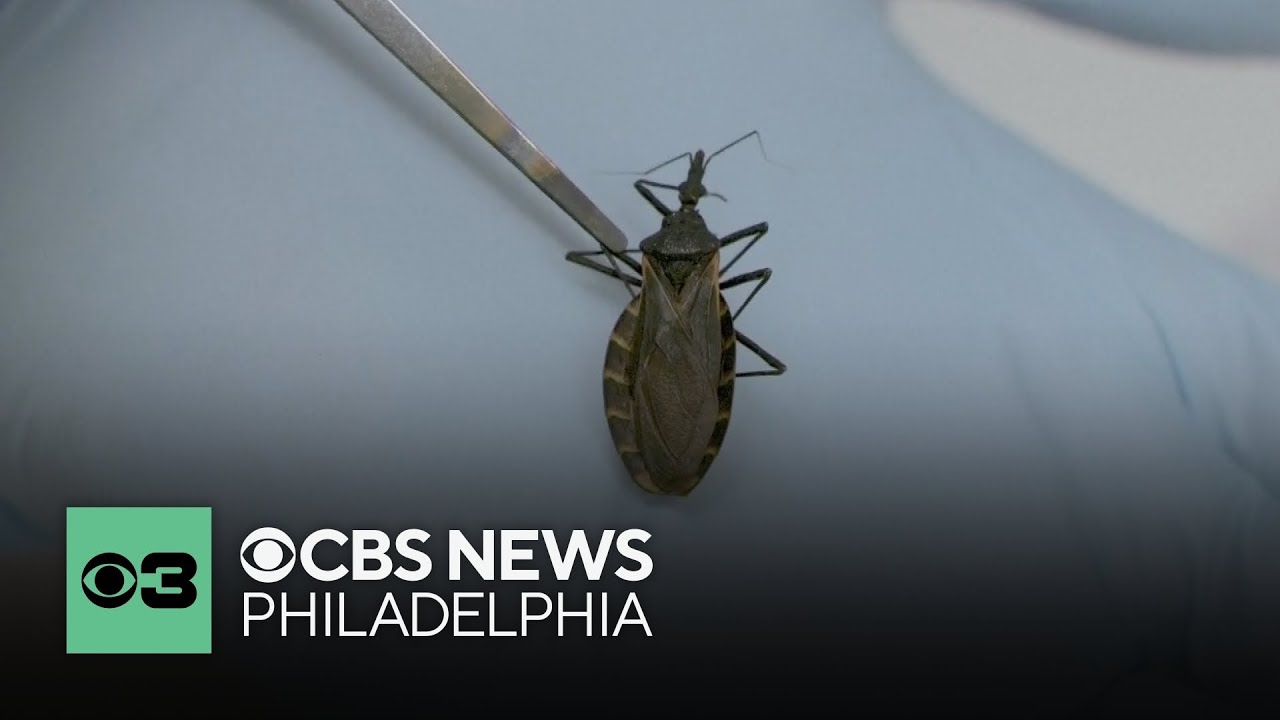
Kissing bug disease, or Chagas disease, is a growing public health concern in the Americas, caused by the Trypanosoma cruzi parasite. Transmitted primarily by kissing bugs, which are nocturnal insects that feed on human blood, this disease can lead to serious health issues if left untreated. With approximately 300,000 cases in the United States, awareness and education about this disease are crucial for prevention and early intervention.
How Kissing Bugs Transmit the Disease
Kissing bugs are mostly found in rural and suburban areas, particularly where there are poor housing conditions. They often hide in cracks and crevices during the day and emerge at night to feed on their victims’ blood. During feeding, the bugs may defecate near the bite site, and the parasite can enter the body through the bite wound or mucous membranes. Fatal infections can occur in severe cases, particularly if the disease advances to cardiac or gastrointestinal complications.
Recent Outbreaks and Public Health Responses
According to the Centers for Disease Control and Prevention (CDC), reported cases of Chagas disease in the U.S. are on the rise, prompting health officials to enhance surveillance and public awareness initiatives. In 2022, several states, including Texas and California, reported increased encounters with kissing bugs, leading to outreach programs aimed at educating communities about prevention strategies and the symptoms of Chagas disease.
Signs and Symptoms
Many individuals infected with the parasite may not show symptoms initially, but Chagas disease can manifest in acute and chronic stages. Symptoms in the acute phase may include fever, fatigue, and swelling at the infection site. If untreated, it can progress to a chronic phase where more severe symptoms may develop, including heart failure and digestive issues. Early diagnosis and treatment are key to managing the disease effectively.
Prevention Measures
Preventing kissing bug disease involves both personal protection and community efforts. Individuals can reduce exposure by sealing cracks in homes, using screens on doors and windows, and eliminating outdoor habitats where kissing bugs thrive. Community health campaigns are essential to educate the public about recognizing kissing bugs and the importance of seeking medical attention if bitten.
Conclusion
As kissing bug disease is becoming more prevalent in the U.S., staying informed about the risks and prevention strategies is vital for community health. With early detection and treatment, the impacts of Chagas disease can be managed effectively. Individuals are encouraged to report kissing bug sightings and consult healthcare providers for any related health concerns. Awareness and action can ultimately combat the risks of this insidious disease.