Introduction to Interest Rates Today
Interest rates remain a critical focal point for consumers, investors, and policymakers alike. As of October 2023, interest rates are under scrutiny due to ongoing inflationary pressures and shifts in monetary policy. Understanding current rates is essential as they directly influence borrowing costs, consumer spending, and overall economic growth.
Current Rates and Trends
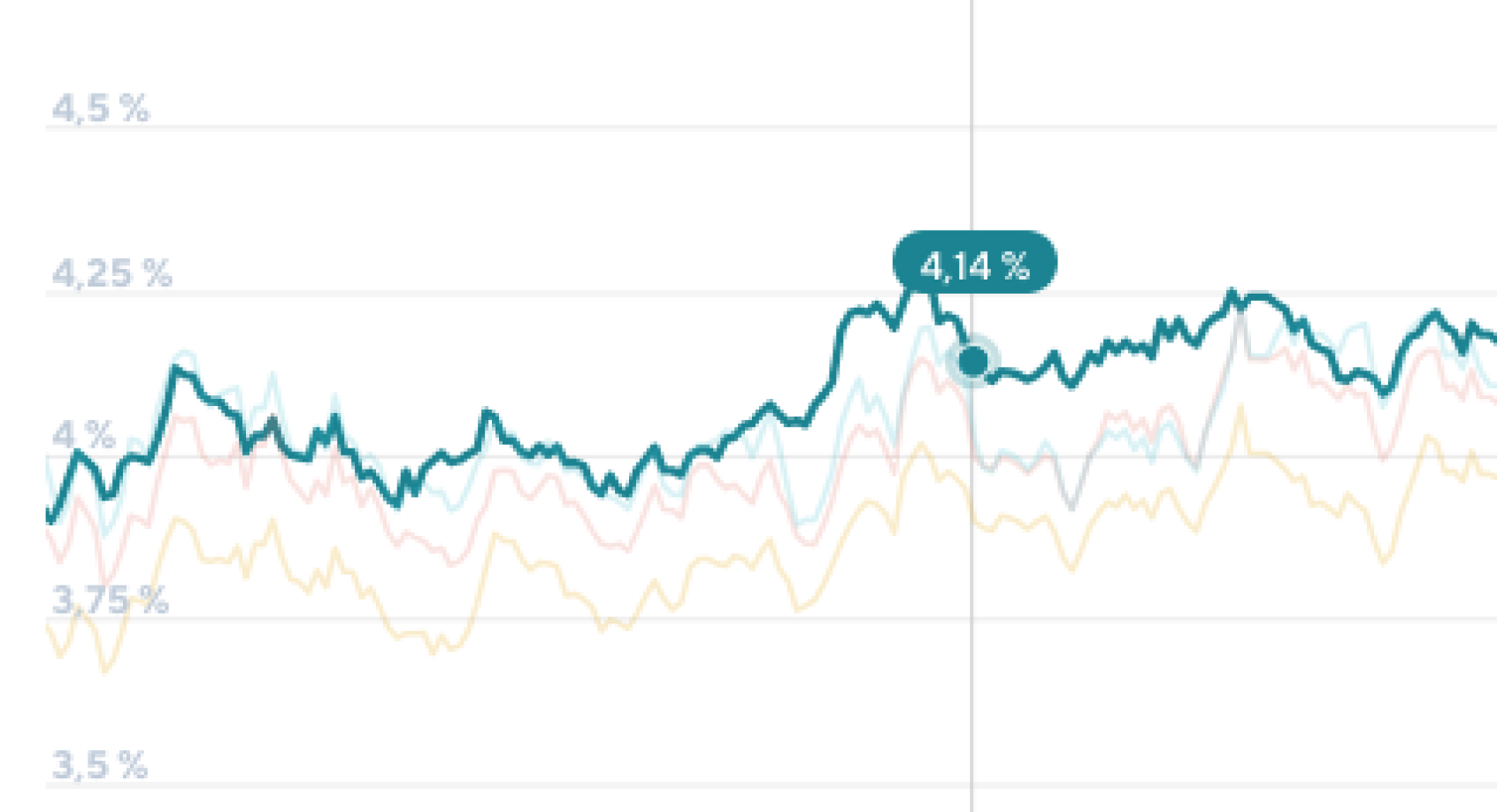
According to the Federal Reserve, the current federal funds rate is set between 5.25% and 5.50%, the highest it’s been in over two decades. This increase aims to combat persistent inflation that has affected various sectors of the economy. The latest Consumer Price Index (CPI) data reveals inflation has stabilized at around 3.7%, yet central banks are cautious about prematurely easing these tight monetary policies.
In the housing market, rising interest rates have displayed a cooling effect. Mortgage rates have climbed significantly, with 30-year fixed mortgage rates exceeding 7%, dissuading potential buyers and slowing home sales as affordability becomes a growing concern.
Impact on Different Sectors
Higher interest rates cast a shadow over several sectors. For consumers, increased rates translate directly into more expensive loans, from mortgages to car loans, leading to potential declines in consumer spending. On the corporate front, companies find borrowing costs increase, which might lead to cutbacks in business expansion or new investments. Conversely, sectors like banking may benefit from the increased margins on loans versus deposits.
Future Outlook
Looking ahead, many economists forecast interest rates may stabilize or even dip slightly in 2024 if inflation continues to trend downward. However, this outlook hinges on various factors, including global economic conditions and domestic demand. The Federal Reserve is likely to remain cautious, making decisions dependent on real-time economic data.
Conclusion
Interest rates today play a pivotal role in shaping the financial landscape for individuals and businesses. Keeping a close eye on rate trends is crucial for making informed decisions in investing, borrowing, and spending. While the current environment poses challenges, it also underscores the importance of strategic financial planning in adapting to ongoing economic shifts.