Introduction
As winter sets in across the United States, the National Weather Service (NWS) has issued several ice storm warnings in various regions. These alerts are crucial as they anticipate severe weather conditions that can lead to dangerous situations, impacting travel, power supply, and daily life. Understanding the implications of an ice storm warning is essential for residents in affected areas to stay safe and prepared.
What is an Ice Storm Warning?
An ice storm warning is issued when ice accumulation is expected to reach a significant amount—generally around a quarter inch or more. This can create treacherous conditions, causing hazardous travel, downed trees, and power outages. According to the NWS, the impact of these storms can vary greatly depending on the geographic area, local preparedness, and the time of year.
Current Events
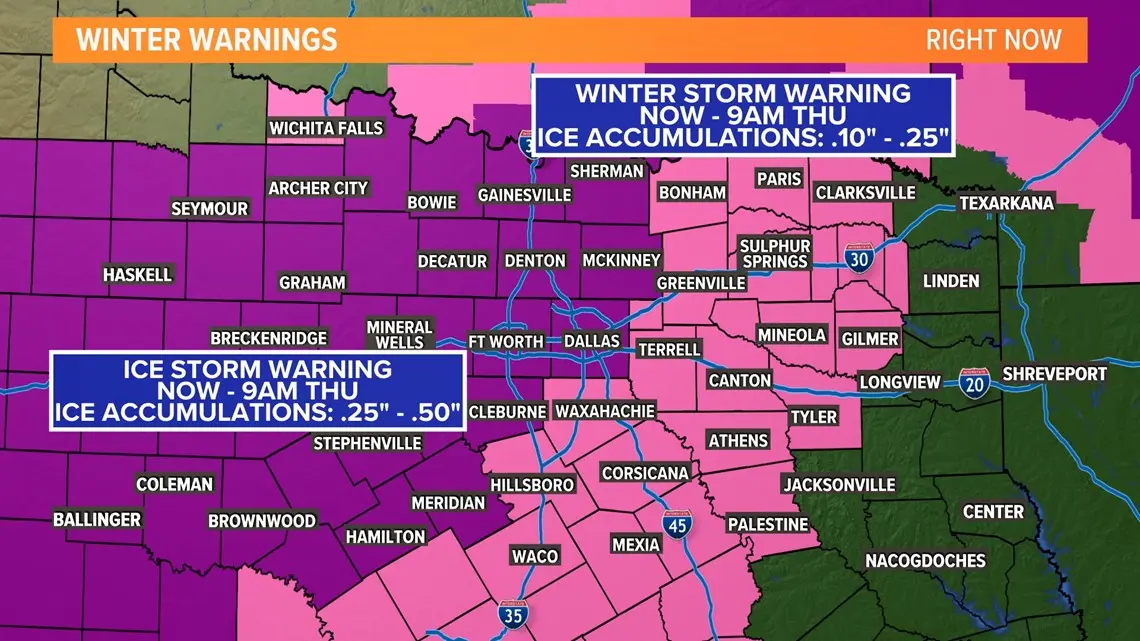
Recently, states like Texas, Oklahoma, and Arkansas have faced ice storm warnings as cold air collides with moisture in the atmosphere, leading to freezing rain and slick road conditions. In Texas, authorities have reported accidents due to icy roads, and precautionary measures have been taken, such as recommending residents stay off the roads unless absolutely necessary. Meanwhile, utility companies are mobilizing crews to respond quickly to power outages caused by fallen trees and ice-laden branches.
Preparation and Safety Tips
Residents in regions under ice storm warnings are advised to prepare accordingly. Here are a few tips:
- Stay Updated: Keep track of weather updates through reliable sources to get real-time information about the storm’s progression.
- Emergency Kit: Assemble an emergency kit with essentials such as water, non-perishable food, medications, and a flashlight to sustain you in case of power outages.
- Avoid Travel: If travel is necessary, ensure your vehicle is winter-ready, with properly inflated tires and a full tank of gas. However, it’s best to stay home if conditions worsen.
Conclusion
Ice storm warnings serve as a critical alert for citizens, highlighting the potential hazards posed by winter weather. As climate patterns evolve, understanding these warnings becomes increasingly vital. Preparing ahead of time and staying informed can help mitigate risks and ensure safety during severe winter storms. As winter continues, residents should remain vigilant and take appropriate precautions to navigate the potential hazards of ice storms effectively.