The Importance of Understanding Hurricanes and Tropical Storms
Hurricanes and tropical storms are among the most powerful and destructive forces in nature, capable of causing catastrophic damage. Understanding these phenomena is crucial as they pose significant threats to coastal communities, economies, and ecosystems. With the advent of climate change, these storms are becoming more frequent and intense, highlighting the need for improved preparedness and response plans.
Current Trends and Events
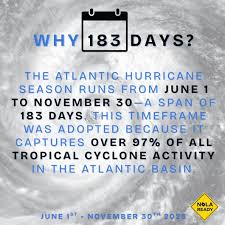
This year, the Atlantic hurricane season, which runs from June 1 to November 30, has already shown remarkable activity. According to the National Oceanic and Atmospheric Administration (NOAA), there have been several named storms, and notable hurricanes, including Hurricane Lee and Hurricane Margot, have prompted emergency responses in states along the East Coast. These storms have inflicted extensive damage, leading to evacuation orders and significant disruptions to local economies.
The Science Behind Hurricanes and Tropical Storms
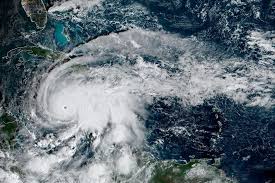
Hurricanes form over warm ocean waters and are characterized by a low-pressure center, strong winds, and heavy rain. As identified by meteorologists, factors such as ocean temperatures, humidity levels, and wind patterns influence the formation and strength of these storms. Research indicates that the warming climate is increasing the frequency and intensity of tropical storms, resulting in more severe impacts on land.
Preparedness and Community Response
In light of the increasing risk posed by hurricanes, it is vital for communities to enhance preparedness strategies. Local authorities have been revising evacuation plans, developing early warning systems, and conducting public awareness campaigns to educate residents on storm safety. The Federal Emergency Management Agency (FEMA) has emphasized that preparedness is key in minimizing losses and ensuring safety during hurricane events.
The Future Outlook
As climate change continues to alter weather patterns globally, forecasts suggest that hurricanes will potentially become more devastating in the coming years. Scientists urge that investment in infrastructure and research into climate resilience is essential in mitigating the impacts of these storms. The collaboration between federal, state, and local agencies will be crucial in improving hurricane tracking technologies and community preparedness initiatives.
Conclusion
Hurricanes and tropical storms significantly impact societies, demanding urgent attention and action. Understanding their formation, effects, and the importance of preparedness can save lives and reduce economic losses. As communities face an evolving climate emergency, expanding resources towards effective response strategies is more important than ever.