Introduction to Heat Advisories
As summer days heat up across the United States, heat advisories have become an essential aspect of public safety notifications. These advisories, issued by the National Weather Service, highlight the dangers associated with extreme temperatures and humidity. Understanding these warnings is crucial for minimizing health risks during heat waves, making it a pertinent topic as climate patterns shift and extreme weather becomes more common.
Details on Heat Advisories
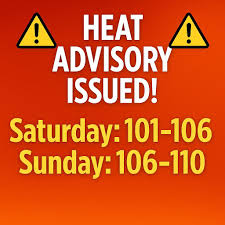
Heat advisories are typically issued when heat index values reach dangerous levels, generally above 100 degrees Fahrenheit in many regions. The advisory warns the public about potentially hazardous conditions that can lead to heat-related illnesses, such as heat exhaustion or heatstroke.
For instance, in August 2023, multiple states, including Texas, California, and Florida, faced severe heat advisories amid record-breaking temperatures. The extreme heat has not only impacted daily life but also strained energy systems as air conditioning demands soar. Health departments have noted an increase in emergency room visits related to heat conditions, emphasizing the need for communities to stay informed.
Preventative Measures
In light of these advisories, it is vital for individuals to take preventative measures seriously. The Centers for Disease Control and Prevention (CDC) recommends several steps: staying hydrated, avoiding strenuous outdoor activities during peak temperatures, wearing lightweight clothing, and checking in on vulnerable populations such as the elderly or those with health conditions. Schools and workplaces also play a crucial role in implementing heat safety protocols to protect their members.
Conclusion and Future Outlook
The implications of heat advisories extend beyond personal safety; they impact community health systems, infrastructure, and overall quality of life. As climate change brings more frequent and intense heat waves, understanding heat advisories will become increasingly vital. Experts project that temperatures will continue to rise, making it essential for communities, families, and individuals to be prepared. By staying informed and proactive, we can mitigate the risks associated with extreme heat, safeguarding ourselves and our communities.