Introduction
Generation Z (Gen Z), born roughly from the mid-1990s to the early 2010s, has become a significant demographic force in today’s society. With their unique upbringing influenced by technology and social changes, understanding Gen Z is crucial for businesses, educators, and policymakers. This generation’s values, habits, and consumer behaviors are reshaping markets and social norms.
Characteristics of Gen Z
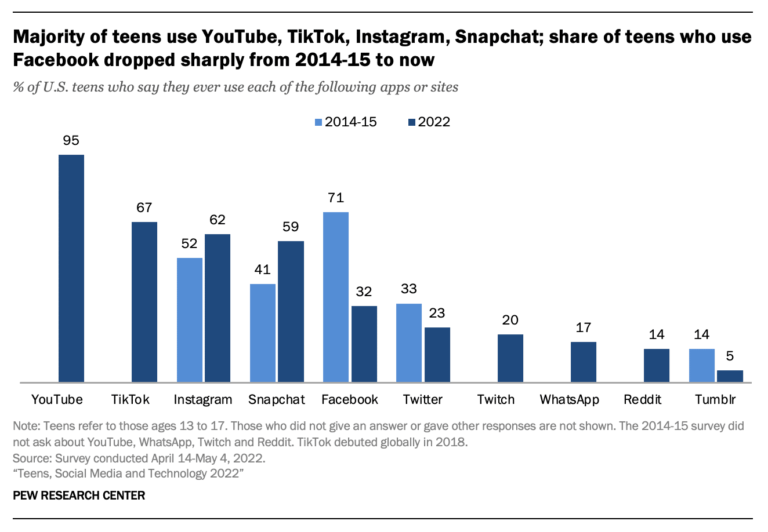
Gen Z is characterized by their tech-savviness, having been raised in an era dominated by digital devices and social media. According to a recent study by McKinsey, over 90% of Gen Z members use social media platforms daily, making it a vital area for marketing and communication strategies. Their education has also adapted, with many favoring online learning environments over traditional classrooms.
Moreover, Gen Z is known for their strong advocacy for social justice, environmental sustainability, and inclusivity. Surveys from Deloitte indicate that approximately 60% of Gen Z believes that companies should take a stand on social and political issues, reflecting their desire for responsibility and accountability in the brands they support.
Current Trends and Impacts
As Gen Z begins to enter the workforce and achieve financial independence, their spending habits are emerging as a focal point for businesses. Research shows that Gen Z prioritizes experiences over material goods, with a strong preference for brands that exhibit authenticity and transparency. For instance, they are more likely to support companies that align with their values.
Additionally, Gen Z’s influence extends to technology. They are major consumers of streaming services and favor platforms that offer personalized content. Data from Statista reveals that 67% of Gen Z use video platforms for entertainment, highlighting a shift in how media is consumed across generations.
Conclusion
The significance of understanding Generation Z cannot be overstated. As they grow into their roles as consumers and leaders, their impact on various sectors will continue to evolve. Businesses and organizations that adapt to the preferences and values of Gen Z will likely experience success in the coming years. Moreover, their emphasis on social change and environmental responsibility presents opportunities for innovation and growth aligned with their ideals. As we prepare for the future, recognizing and embracing the attributes of Gen Z will be key to engaging this dynamic generation.