Introduction
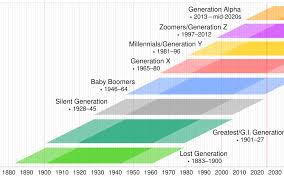
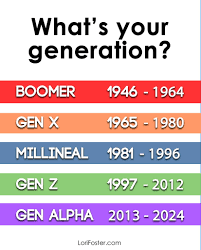
Generation X, often overshadowed by the larger Baby Boomer and Millennial generations, represents a unique cohort born between the early 1960s and late 1970s. This generation is crucial in shaping the modern landscape as they straddle the transition from analog to digital. Understanding Gen X is essential not only for marketers and employers but also for fostering intergenerational relations that acknowledge their contributions.
The Characteristics of Generation X
Known for their independence and resourcefulness, Gen Xers were the first to grow up with computers in schools although they also experienced life without the internet. As a result, they are defined by both traditional values and adaptability to new technologies. This duality has equipped them with versatile skills relevant in today’s job market. In addition, they value a work-life balance, which contrasts sharply with the workaholic culture of their predecessors.
Economic Influences
Gen X entered the workforce during economic downturns, including the recession of the early 1990s and the dot-com bubble burst in 2000. Such experiences have led to a pragmatic approach to work and financial stability. Many in this generation prioritize job security, having witnessed the impact of layoffs and corporate restructuring on their families. In recent years, many Gen Xers have become entrepreneurs, leveraging their experiences to create innovative business solutions in an ever-evolving economic landscape.
Cultural Contributions
Culturally, Generation X has left an indelible mark on music, film, and literature. They witnessed the rise of punk rock, grunge, and alternative music scenes, influencing trends that persist today. Films such as “The Breakfast Club” and “Reality Bites” epitomize the struggles and ideals of Gen X, addressing themes of identity and belonging that resonate with many. Their appreciation for authenticity and skepticism of corporate messaging continues to impact marketing strategies.
Conclusion
As society continues to evolve, the role of Generation X remains significant. Their experiences uniquely position them to bridge the gap between older generations and the younger Millennial and Gen Z cohorts. Embracing the resilience and adaptability of Gen X can provide valuable insights for future planning, both personally and professionally. Acknowledging their contributions can also enhance workplace dynamics and foster a more inclusive environment where all generations thrive.