Introduction to Gale Warnings
Gale warnings are crucial alerts issued by meteorological agencies to inform the public about strong winds that can lead to hazardous conditions, particularly at sea and in coastal areas. These warnings serve as protective measures for individuals, mariners, and emergency services, ensuring safety during adverse weather events. Understanding the implications of a gale warning can be essential for preparedness and response during severe weather.
What is a Gale Warning?
A gale warning indicates sustained wind speeds of 34 to 40 knots (39 to 46 mph) or wind gusts between 43 and 52 knots (49 to 60 mph). Such winds are capable of producing high waves, rough seas, and can pose significant threats to small crafts and recreational vessels. The issuance of a gale warning means immediate action should be taken to secure safety and avoid travel on exposed water bodies. These warnings are particularly important in areas prone to maritime activities, fishing, and coastal tourism.
Recent Gale Warnings and Impact
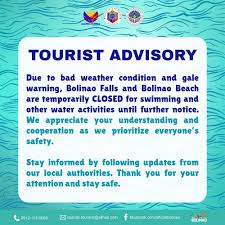
This week, the National Weather Service (NWS) has issued gale warnings across various regions along the East Coast and parts of the Great Lakes due to an approaching storm system. In areas such as the Mid-Atlantic and New England, wind gusts are expected to exceed 40 mph, leading to dangerous seas and potential coastal flooding. Fishermen and boaters are urged to remain ashore until conditions improve. Emergency services are on alert, preparing for possible flooding and debris management in vulnerable coastal communities.
Safety Tips During Gale Warnings
If a gale warning is issued, here are some essential safety tips to follow:
- Stay Informed: Monitor updates from the National Weather Service and local news.
- Avoid Travel: If possible, avoid unnecessary travel, particularly near coastal areas or exposed waterways.
- Secure Outdoor Items: Strong winds can turn unsecured items into projectiles. Make sure to secure or bring indoors anything that might become airborne.
- Follow Emergency Protocols: Be aware of your local emergency response plans and evacuation routes in case flooding or power outages occur.
Conclusion: The Importance of Preparedness
Gale warnings are a vital aspect of weather forecasting that helps safeguard lives and property during severe weather events. As climate change intensifies storm patterns, the frequency and severity of gale warnings may increase, making it crucial for the public to remain vigilant and informed. By following safety recommendations and being prepared, individuals can mitigate risks associated with high winds and rough seas.