Introduction
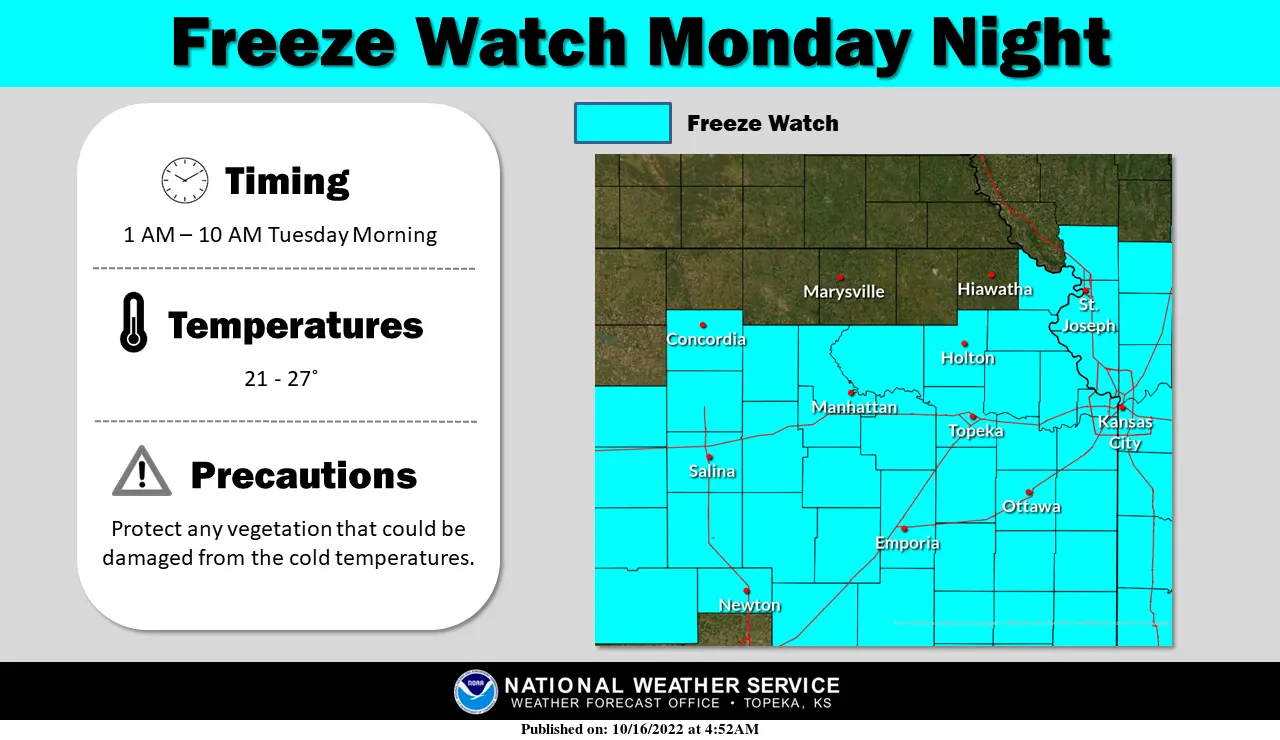
As winter approaches, the phenomenon known as a freeze watch becomes increasingly significant. A freeze watch is issued by the National Weather Service when conditions are favorable for temperatures to drop to the freezing mark (32°F or 0°C) within the next 24 hours. Understanding these alerts is crucial for homeowners, farmers, and anyone affected by potentially freezing temperatures, allowing them to take measures to protect sensitive plants, pets, and property.
Recent Developments and Alerts
In recent weeks, various regions across the United States have experienced fluctuating temperatures, prompting numerous freeze watch alerts. For instance, meteorologists reported a significant drop in temperatures across the Midwest, particularly affecting states like Iowa, Illinois, and Indiana, where the first notable freeze of the season could occur this week. Farm experts warn that the early onset of frost poses risks to crops that have not yet fully matured, especially those sensitive to cold.
According to the National Weather Service, freeze watches can be especially challenging for agricultural communities. Farmers are advised to cover tender plants or bring them indoors if possible. Similarly, pet owners are reminded to ensure their pets have adequate shelter, as temperatures can quickly become dangerous for animals as well.
How to Prepare for a Freeze Watch
Preparation is key when a freeze watch is issued. Here are some steps that individuals can take:
- Cover Plants: Use frost cloths, blankets, or sheets to cover delicate plants during the night when temperatures are expected to dip.
- Watering: Watering plants ahead of time can create a protective layer of moisture around the roots, helping them endure brief cold snaps.
- Bring Pets Inside: Ensure pets have a warm place to stay during freezing temperatures and consider bringing them indoors overnight.
- Monitor Local Weather: Stay tuned to local news or weather apps for updates on freeze watch advisories and changes in weather patterns.
Conclusion
Stay vigilant and proactive as winter sets in, especially when freeze watch alerts are issued in your area. Understanding the importance and implications of these alerts can mitigate damage to crops and safeguard essential plants and pets. As climate patterns continue to evolve, these alerts will play an increasingly critical role in helping communities prepare for the impact of low temperatures. Regularly checking weather updates and preparing in advance can make a substantial difference during freezing conditions.