Introduction
Food stamps, officially known as the Supplemental Nutrition Assistance Program (SNAP), play a vital role in combating food insecurity in the United States. As inflation rates rise and economic pressures mount, the relevance of SNAP benefits has become increasingly critical for millions of Americans. In 2022 alone, the program served over 41 million individuals, providing necessary assistance to families in need.
What are Food Stamps and SNAP Benefits?
SNAP benefits are government-issued electronic benefits provided to low-income households to help them purchase nutritious food. The program is funded by the U.S. Department of Agriculture (USDA) and is administered by individual states. Eligibility for SNAP is determined by income level, household size, and whether the applicant meets certain criteria.
Recent Developments
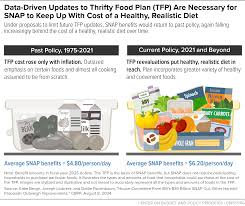
In response to the COVID-19 pandemic, Congress enacted emergency measures to increase SNAP benefits. The Consolidated Appropriations Act of 2021 allowed for a temporary increase in benefits, providing additional funding for families throughout the economic downturn. As of October 2023, states across the country are still facing challenges regarding the distribution and effectiveness of SNAP programs. Many advocates are pushing for the continuation of these enhanced benefits, emphasizing that many families remain significantly affected by rising living costs.
Additionally, several states are experimenting with different program models to make food assistance more accessible. Initiatives include establishing online platforms for food purchases using SNAP benefits and providing community resources to educate families on utilizing their benefits effectively. These changes have made it easier for eligible households to access food, contributing to improved nutrition and health outcomes.
Impact on Communities
The impact of SNAP benefits extends beyond individual households; it significantly benefits local economies. Research indicates that every dollar spent on SNAP generates approximately $1.50 in economic activity. During times of economic instability, these benefits provide a crucial safety net, stimulating sales at local grocery stores and markets.
Conclusion
The importance of food stamps and SNAP benefits cannot be overstated. As inflation continues to challenge the financial stability of many families, the need for robust and efficient SNAP programs has become evident. Policymakers and community advocates must work together to ensure that these essential services remain available and effective. Looking ahead, ongoing discussions about the future of food assistance programs will shape the landscape of food security in America.