The Importance of Flood Warnings
Flood warnings are crucial for ensuring the safety of individuals and communities in flood-prone areas. These alerts provide vital information about impending weather events that may cause flooding, allowing residents to prepare and take necessary precautions. As climate change continues to impact weather patterns, the frequency and intensity of floods are increasing, making flood warnings more relevant than ever.
Recent Events Highlighting Flood Warnings
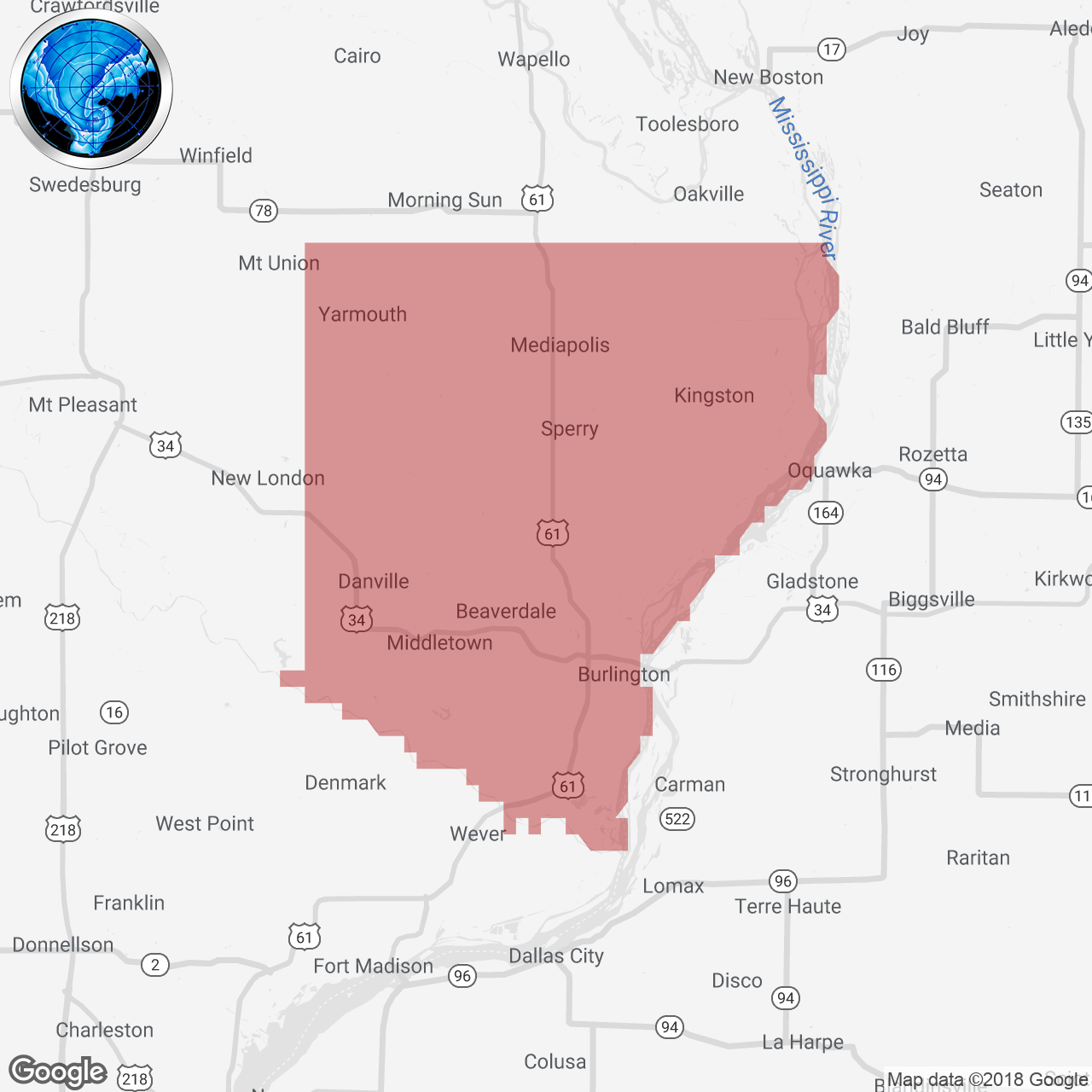
In recent weeks, several states across the U.S. have experienced significant weather patterns leading to flood warnings. In mid-October 2023, heavy rainfall across the Midwest caused rivers to overflow, leading to emergency alerts in parts of Iowa and Nebraska. Local authorities issued flood warnings, advising residents to seek higher ground and prepare for potential evacuations.
The National Weather Service (NWS) reported that these warnings have increased by 20% in regions affected by severe storms compared to previous years. Flooding can occur rapidly, and timely information is essential for minimizing property damage and saving lives.
Understanding Flood Warning Levels
Flood warnings are categorized into different levels, each indicating the seriousness of the situation:
- Flood Watch: Conditions are favorable for flooding; residents should be alert.
- Flood Warning: Flooding is imminent or already occurring; immediate action is necessary.
- Flash Flood Warning: A rapid rise of water is expected, requiring urgent response.
By understanding these levels, communities can react accordingly and mitigate the hazards associated with flooding.
Future Considerations and Conclusion
As weather patterns evolve, it is likely that the infrastructure for flood warnings will also need to adapt. Authorities are working to improve prediction models and enhance communication methods to ensure that alerts reach those most affected. Community education around flood preparedness is equally important. Knowing what to do in a flood situation can save lives and reduce damage.
In conclusion, staying informed about flood warnings and understanding their implications is crucial for safety and preparedness. As the climate continues to change, the ability to respond to these alerts can make a significant difference in community resilience against flooding.