Introduction
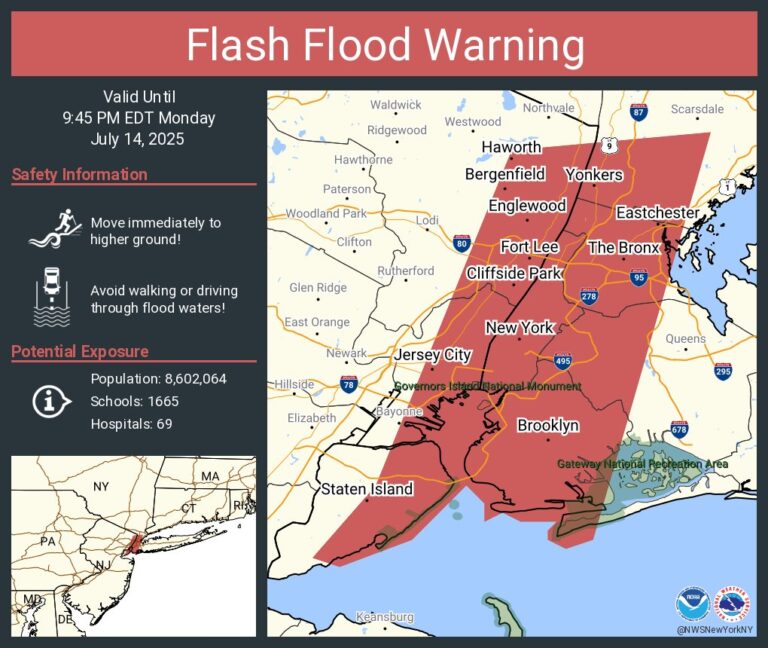
Flash flood warnings are critical announcements that alert communities to the immediate risk of flooding. With the increasing frequency of extreme weather events due to climate change, understanding these warnings has become more important than ever. Communities affected by heavy rainfall, sudden snowmelt, or tropical storms can face life-threatening conditions within minutes, making awareness and preparedness essential.
The Nature of Flash Flooding
Flash flooding occurs within six hours of heavy rainfall, typically in areas with steep terrain, urban development, or poor drainage systems. It can happen quickly—sometimes with little to no warning, making local knowledge and rapid response crucial. The National Weather Service (NWS) issues flash flood warnings based on rainfall estimates and the potential impact on local flooding. These warnings provide invaluable time for residents to seek higher ground and secure their property.
Current Events and Recent Warnings
Recently, the Southeastern United States has been facing a series of heavy rainstorms, prompting several flash flood warnings across multiple states. In areas like Tennessee and North Carolina, communities have reported substantial rainfall causing swift river rises and urban flooding, leading to road closures and emergency evacuations. The NWS has emphasized the need for residents to stay vigilant and heed local advisories. Meteorologists argue that climate change is intensifying these weather patterns, suggesting that flash flood events could become more frequent and severe in the coming years.
Safety Measures During a Flash Flood Warning
Preventing injury and loss of life during a flash flood requires immediate action. The following steps can help:
- Stay Informed: Monitor local weather stations and heed any flash flood warnings issued by the NWS. Use a weather app or NOAA Weather Radio for real-time updates.
- Have an Emergency Plan: Develop a family plan detailing where to go and how to communicate during a flood emergency. Ensure all family members are aware of their responsibilities.
- Prepare an Emergency Kit: Gather essential items like food, water, medications, and important documents in a waterproof container. Keep this kit easily accessible.
- Evacuation Routes: Know your local evacuation routes and have a plan for transportation. If local authorities advise evacuation, leave immediately.
- Never Drive Through Flooded Areas: Avoid driving or walking through flooded roads. Six inches of moving water can knock you down, and two feet of water can sweep away a vehicle.
Conclusion
Flash flood warnings serve as a crucial alert to potential danger, but they require quick and informed action from individuals and communities. With natural disasters becoming more unpredictable, residents must stay updated and prepared. Local preparedness can significantly reduce the risks associated with flash flooding and ultimately save lives. As weather trends continue to evolve, a proactive approach to flooding may become a vital part of community resilience.