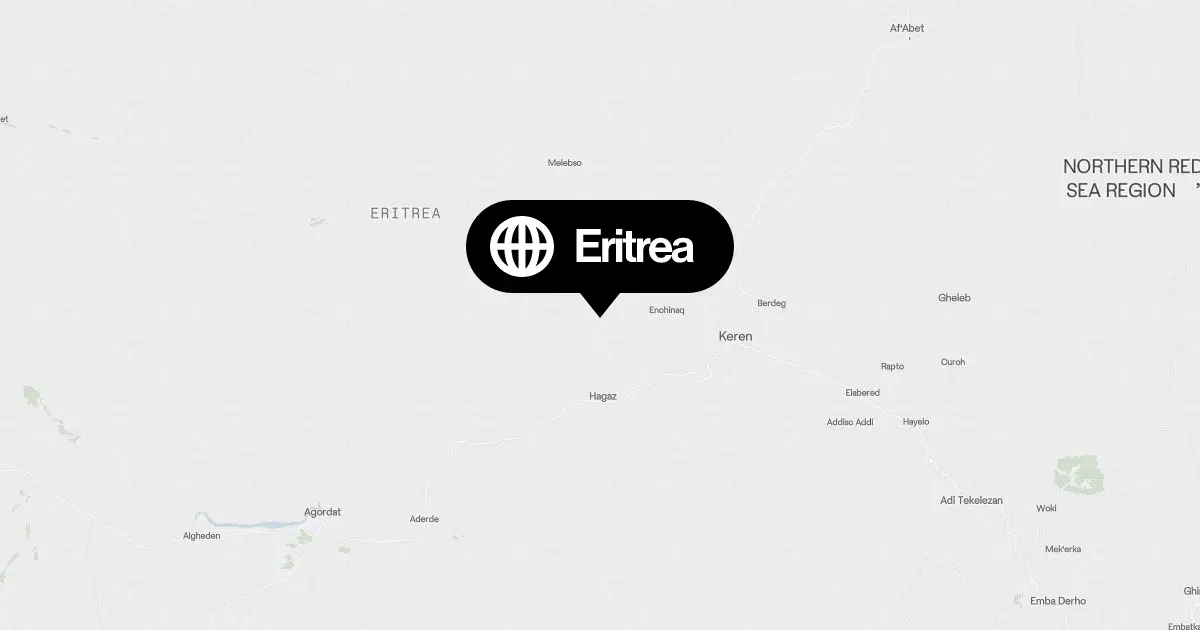
The Importance of Eritrea in the Horn of Africa
Eritrea, a country located in the Horn of Africa, has long been a focal point of geopolitical interest due to its strategic location by the Red Sea and its complex history. Understanding Eritrea’s current political and economic landscape is vital not just for the region but also for global affairs ranging from migration to international security.
Current Political Situation
The political climate in Eritrea remains tense under President Isaias Afwerki, who has ruled since the country’s independence in 1993. The lack of democratic elections and freedom of speech has drawn international criticism. Recent protests have emerged, catalyzed by rising discontent among the youth and military conscription policies that have created a high level of socio-economic despair. According to Human Rights Watch, Eritrea continues to be one of the countries with the most restricted environments for civil liberties.
Economy and Challenges
Eritrea’s economy is largely state-controlled, with agriculture providing the bulk of employment. However, the state’s policies have led to stagnation and a reliance on remittances from the diaspora. The 2023 World Bank report highlighted that while there is potential for development, significant challenges from climate change, economic mismanagement, and the long-standing isolation due to political policies hinder progress. The COVID-19 pandemic further exacerbated the situation, shrinking the economy and increasing unemployment rates.
Regional Implications and Future Outlook
Geopolitically, Eritrea’s relations with neighboring countries have been complex. Its recent rapprochement with Ethiopia, following a border war that lasted for nearly two decades, has reopened opportunities for economic collaboration but remains fraught with challenges. Moreover, Eritrea’s past involvement in regional conflicts underlines its influence in the Horn of Africa, making its stability crucial for the overall security in the region.
Conclusion
Eritrea stands at a crossroads, with its future hinged on political reform and economic strategies that embrace the potential of its people. As international observers note the growing unrest and the government’s response, the need for sustainable development and peaceful governance has never been clearer. The implications of Eritrea’s political and economic strategies will resonate not only within its borders but across the Horn of Africa and beyond, underscoring its importance in the global arena.