The Importance of Earthquake Alerts
Earthquakes pose a significant threat to lives and infrastructure worldwide, making timely alerts crucial for enhancing public safety. An effective earthquake alert system allows communities at risk to prepare for potential seismic events, reduce casualties, and minimize damage. As climate change causes increased seismic activity in some regions, the relevance of earthquake alert systems has grown dramatically.
Recent Developments in Earthquake Detection
In recent years, technological advancements have significantly improved earthquake alert systems. For example, the United States Geological Survey (USGS) has developed the ShakeAlert system, which utilizes a network of seismometers to detect earthquakes as they occur. This system can issue warnings a few seconds before the shaking reaches a specific area, providing residents time to take cover or secure fragile items. In 2023, ShakeAlert expanded its services to cover more cities, including Los Angeles, San Francisco, and Seattle.
How Earthquake Alerts Work
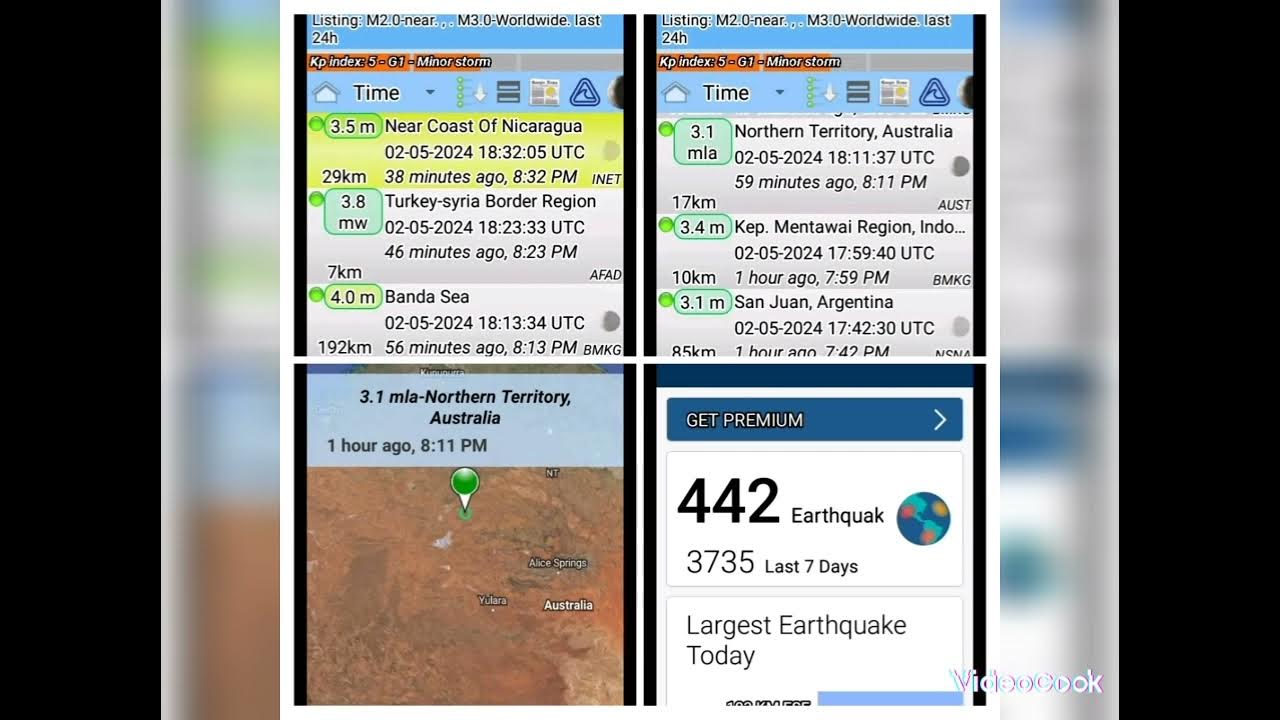
Earthquake alerts rely on a network of sensors distributed along fault lines. When an earthquake occurs, these sensors record the seismic waves and quickly relay the information to a central processing unit. The data is then used to calculate the earthquake’s location, depth, and magnitude, generating alerts for affected areas. Notifications can be disseminated via mobile apps, text messages, and even public alert systems.
Recent Alerts and Their Impact
This year, several earthquake alerts have been issued across California, prompting immediate safety measures and ensuring that communities remain prepared. In some cases, alerts allowed businesses to pause operations, transit systems to halt, and individuals to drop to the ground and cover their heads. These proactive responses, supported by the alerts, have been instrumental in mitigating disaster consequences.
The Future of Earthquake Alerts
Going forward, the incorporation of artificial intelligence and machine learning in earthquake prediction is promising. Researchers are exploring data-driven models to improve forecasting accuracy, which may lead to more comprehensive alerts and faster response times. Collaborations between governments, nonprofit organizations, and the tech industry are expected to enhance existing alert systems, ensuring that they remain reliable and effective.
Conclusion
Earthquake alerts play a vital role in ensuring public safety in seismically active regions. Continuous investment in technology and infrastructure will enhance these systems and minimize the impacts of future seismic events. By staying informed and responsive, communities can better prepare for the unexpected, ultimately saving lives and protecting property.