Introduction to DHS Employment Authorization
Employment authorization from the Department of Homeland Security (DHS) is a crucial aspect for many foreign nationals seeking to work legally in the United States. The ability to obtain this authorization affects not only personal employment opportunities but also contributes significantly to the U.S. economy. As legal policies evolve, understanding these changes is essential for both employees and employers.
Current Employment Authorization Status
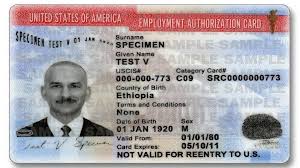
The current status of DHS employment authorization is particularly relevant amid recent policy shifts and discussions surrounding immigration reform. In 2023, the DHS announced new regulations to streamline the application process for Employment Authorization Documents (EADs), addressing backlogs and improving the overall efficiency of the system. These measures aim to ensure that eligible non-citizens can access employment opportunities faster and with fewer delays.
Key Changes and Requirements
The new policy includes an extension of the automatic work authorization period for certain categories of applicants, allowing them to continue working while their applications are pending. Furthermore, updates have been made regarding the eligibility criteria for various work authorization categories, including asylum seekers and adjustment of status applicants. This is part of the Biden administration’s broader strategy to support immigrant workers and facilitate their contributions to the workforce.
Importance of DHS Employment Authorization
For employers, understanding DHS employment authorization is vital in order to comply with labor laws and ensure a diverse, skilled workforce. Companies employing authorized foreign workers reap benefits such as enhanced global competitiveness and the infusion of diverse perspectives that drive innovation. On the other hand, unauthorized employment can lead to legal repercussions and fines for employers, thus underscoring the importance of ensuring that all employees have valid authorization to work.
Conclusion and Future Outlook
In summary, DHS employment authorization is a key component of the U.S. immigration and labor framework. The recent updates reflect the government’s recognition of the necessity for timely and efficient work permits. Looking ahead, employees and businesses must stay informed about potential legislative changes that could further impact authorization processes. Continued advocacy for immigrant rights and clearer pathways to work authorization will shape the landscape of employment in the United States.