Introduction
Current mortgage rates play a crucial role in the housing market, influencing homebuyers’ decisions, affordability, and overall economic health. With recent shifts in the economy and monetary policy, understanding these rates is more important than ever for potential homeowners and investors alike. This article takes a closer look at current mortgage rates, their trends, and implications for the housing market.
Current Landscape of Mortgage Rates
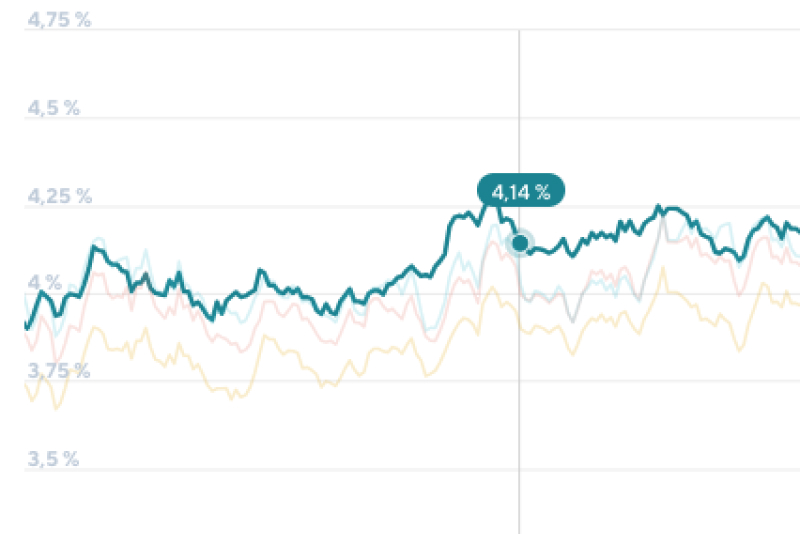
As of October 2023, mortgage rates have seen a significant shift, largely driven by the Federal Reserve’s monetary policy aimed at combating inflation. According to Freddie Mac, the average interest rate for a 30-year fixed mortgage currently stands at approximately 7.5%. This marks an increase from the previous year’s average rate of around 3.1%, reflecting over a 4% jump in just one year.
Experts attribute this rise to ongoing inflation concerns, with the Fed raising interest rates multiple times to stabilize the economy. Additionally, a labor market rebound and strong consumer spending have also contributed to a robust demand for housing, further pushing rates upwards.
Impact on Homebuyers
The current mortgage rates are causing many prospective buyers to rethink their plans. Higher rates translate to increased monthly payments, making homeownership less affordable for many. For example, a buyer looking to finance a $300,000 home at a 3.1% interest rate would pay around $1,300 per month, while the same mortgage at a 7.5% rate could see monthly payments jump to approximately $2,100.
This affordability challenge is prompting some homebuyers to delay their purchases or seek lower-priced homes. Moreover, many existing homeowners are choosing to stay put rather than enter the market and face higher borrowing costs, leading to a slowdown in home sales.
The Future Outlook
Looking ahead, analysts suggest that mortgage rates may stabilize in the coming months, albeit at a higher level than recent years. If the Federal Reserve can successfully manage inflation without further drastic rate hikes, we might see a slow return to a more balanced housing market. The forecast suggests that rates may fluctuate between 6.5% and 7.5% throughout 2024, depending on economic indicators.
Conclusion
Current mortgage rates are a critical factor for anyone looking to buy or refinance a home. As rates rise, the housing market undergoes significant changes, affecting buyer behavior and market liquidity. Understanding these trends can equip homebuyers with the knowledge needed to navigate their options in an increasingly challenging environment. Prospective buyers should keep a close eye on economic developments and consult with financial advisors to explore the best strategies for homeownership in this new landscape.