Introduction
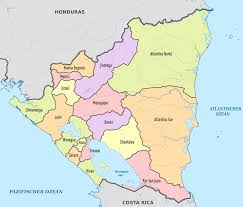
Nicaragua, a Central American nation known for its dramatic landscape of lakes, volcanoes, and beaches, has been in the spotlight recently due to significant political and social events. The country’s ongoing political crisis, economic challenges, and environmental issues have made it a focal point for international observers and investors. Understanding these factors is crucial for anyone interested in Central America’s future and its implications for regional stability.
Political Landscape
In recent years, Nicaragua has faced political turmoil, primarily stemming from the controversial presidency of Daniel Ortega. Protests erupted in 2018 against a social security reform, which escalated into demands for Ortega’s resignation. The government responded with a crackdown on dissent, leading to significant human rights violations being reported by various international organizations. The situation continues to evolve, with recent elections being heavily criticized for not meeting international standards, drawing concerns about democracy and governance in the region.
Economic Challenges
Nicaragua’s economy has been significantly affected by political instability, with the International Monetary Fund (IMF) projecting a modest growth of 1.5% in 2023. However, inflation and unemployment remain high, contributing to widespread poverty. The agricultural sector, a backbone of the Nicaraguan economy, has also been impacted, particularly as farmers face challenges from climate change and volcanic activity, which threaten crop yields and food security.
Environmental Efforts
Despite these challenges, Nicaragua is making strides in environmental conservation. The country has been recognized for its significant efforts in reforestation and renewable energy initiatives. Approximately 60% of its energy comes from renewable sources, including wind and solar power. In 2021, Nicaragua announced plans to further invest in sustainable energy projects, aiming to position itself as a regional leader in environmental responsibility.
Conclusion
The situation in Nicaragua presents a complex mix of challenges and opportunities. As political unrest continues to cast a shadow over the country’s governance, economic recovery remains tenuous. However, Nicaragua’s dedication to environmental sustainability showcases a forward-thinking approach that may attract future investment and partnerships. For those following Central American politics and economics, Nicaragua stands as a vital case study of resilience amidst adversity, with future developments likely to have broader implications for the region.