Introduction
Coastal flood advisories are crucial alerts issued by meteorological agencies to inform residents about potential flooding risks along coastlines. These advisories are especially significant as they can lead to life-threatening situations and substantial property damage. With recent climate change effects and rising sea levels, understanding the implications of these warnings has never been more pertinent for coastal communities.
What is a Coastal Flood Advisory?
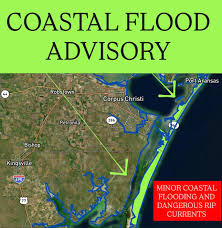
A coastal flood advisory is typically issued when conditions are favorable for coastal flooding, but the flooding might not reach life-threatening levels. It serves as an alert for citizens to prepare, stay informed, and take necessary precautions. Advisory criteria may vary regionally but often involve high tides, significant rain, or storm surges.
Current Events and Alerts
This month, the National Weather Service (NWS) has issued coastal flood advisories for several states along the eastern seaboard, including New Jersey, New York, and Virginia. With forecasts predicting up to six inches of rain in some areas, the advisories highlight the need for vigilance among residents. In New Jersey, local officials have mobilized emergency response teams to assist in preparedness and response efforts.
Impact on Communities
Coastal flood advisories affect various aspects of community life, from emergency preparedness drills to commercial activities. For communities such as Atlantic City, regular advisories disrupt tourism and local business operations. Residents are often advised to relocate or move their vehicles to higher ground, underscoring the need for proactive measures and public education centered around flooding risks.
Preparation and Safety Measures
During a coastal flood advisory, individuals should stay updated on local news, heed evacuation orders if issued, and ensure they have an emergency kit ready. This kit should include basic supplies like food, water, medical supplies, batteries, and important documents. Additionally, families should have a plan in place for potential evacuation routes and communication strategies.
Conclusion
As climate change continues to reshape weather patterns and elevate sea levels, coastal flood advisories are expected to become more frequent. Staying informed and educated about these alerts is crucial for the safety and preparedness of coastal residents. Local governments and organizations need to prioritize community outreach to ensure that citizens know how to respond effectively to such weather-related information. By understanding the risks and preparing accordingly, communities can mitigate the destructive impacts of coastal flooding.