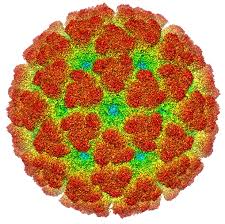
Introduction to Chikungunya Virus
The chikungunya virus (CHIKV) is a vector-borne disease primarily transmitted to humans through mosquito bites. It is crucial to understand the implications of this virus, especially as outbreaks continue to pose serious health challenges across the globe. With the recent uptick in cases worldwide, awareness about symptoms, transmission, and preventive measures becomes paramount.
Overview of the Virus
Originally identified in Tanzania in 1952, chikungunya has spread to continents such as Asia, Europe, and the Americas. The virus resides in several mosquito species, notably Aedes aegypti and Aedes albopictus, which thrive in tropical and subtropical climates. The World Health Organization (WHO) reports that there have been significant outbreaks in various countries, emphasizing the need for ongoing surveillance and public health strategies.
Symptoms and Effects
Symptoms of chikungunya typically manifest 2 to 12 days after the bite of an infected mosquito. Common symptoms include severe joint and muscle pain, fever, fatigue, headache, and rashes. The pain can persist for weeks or even months, substantially impacting the quality of life. Unlike other mosquito-borne diseases such as dengue or Zika, chikungunya is rarely fatal but can lead to serious complications in older adults and those with pre-existing conditions.
Recent Outbreaks
As of late 2023, the Centers for Disease Control and Prevention (CDC) reported a rise in chikungunya cases in the Caribbean and regions of Central and South America. The virus’s rapid spread has raised concerns among health officials regarding potential outbreaks in the southern United States, particularly during the summer months when mosquito populations surge.
Preventive Measures
Preventing chikungunya involves several strategies aimed at reducing mosquito exposure. Health authorities recommend the use of insect repellents, wearing long-sleeved clothing, and utilizing window and door screens. Community efforts to eliminate standing water and sanitation programs also play crucial roles in curtailing mosquito breeding grounds.
Conclusion
In conclusion, the chikungunya virus remains a significant public health issue, especially in regions prone to mosquito breeding. Awareness of symptoms, transmission methods, and preventive practices is vital for reducing the incidence of this illness. As researchers continue to study the virus, it is critical for individuals and communities to remain vigilant in their efforts to mitigate risks associated with chikungunya. With global climate conditions influencing mosquito habitats, keeping informed about chikungunya could help protect public health in the years to come.