Introduction
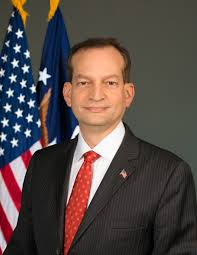
Alex Acosta’s tenure as the United States Secretary of Labor under President Donald Trump from 2017 to 2019 significantly shaped labor policies during a crucial time in American history. His actions and decisions regarding labor relations, workplace safety, and wage regulations reflect ongoing national concerns over workers’ rights and economic inequality. Acosta’s impact continues to influence discussions around labor policy today.
Main Contributions
During his time in office, Acosta pursued several key initiatives that aimed to balance the interests of employees and employers. Acosta emphasized the importance of regulatory reform, seeking to reduce what he termed ‘burdensome regulations’ on businesses. This approach was evident in initiatives like the revision of the overtime rule, which aimed to make more workers eligible for overtime pay but faced substantial criticism for its apparent concessions to business interests.
Additionally, Acosta played a critical role in promoting apprenticeship programs, which were designed to address the skills gap in the American workforce. His administration put a significant emphasis on skill development, highlighting the need for a trained workforce that could meet the demands of various industries, particularly in technology and manufacturing.
One of the most controversial aspects of Acosta’s tenure was his handling of the Jeffrey Epstein case. As the U.S. Attorney for the Southern District of Florida, Acosta oversaw a plea deal for Epstein in 2008 that was heavily criticized and raised questions about his judgment and commitment to justice for victims. This issue resurfaced during his nomination as Secretary of Labor, ultimately leading to calls for his resignation, which he tendered in July 2019.
Ongoing Relevance
Following his resignation, discussions regarding Alex Acosta’s policies and decisions remain pertinent, particularly in the context of labor standards in the U.S. The conversation around workers’ rights is more vital than ever, especially with the ongoing impacts of the COVID-19 pandemic, which has exacerbated concerns about worker safety and fair wages.
Acosta’s decisions regarding regulatory reform have also sparked debate in light of a rapidly changing economy. As more individuals seek flexible work opportunities, the implications of his policies on gig economy workers are being analyzed. The landscape of labor is evolving, and Acosta’s tenure is often referenced as a pivotal time that prefigured current labor challenges.
Conclusion
Alex Acosta’s legacy as Secretary of Labor is multifaceted and continues to influence discussions about labor policies in the United States. As national conversations around worker rights, safety, and fair compensation grow in urgency, understanding Acosta’s role provides valuable insights into how labor policies might evolve in response to ongoing economic and social changes. Ultimately, the implications of Acosta’s tenure reflect broader themes that will be critical for policymakers and citizens alike in shaping a more equitable labor landscape.