Introduction
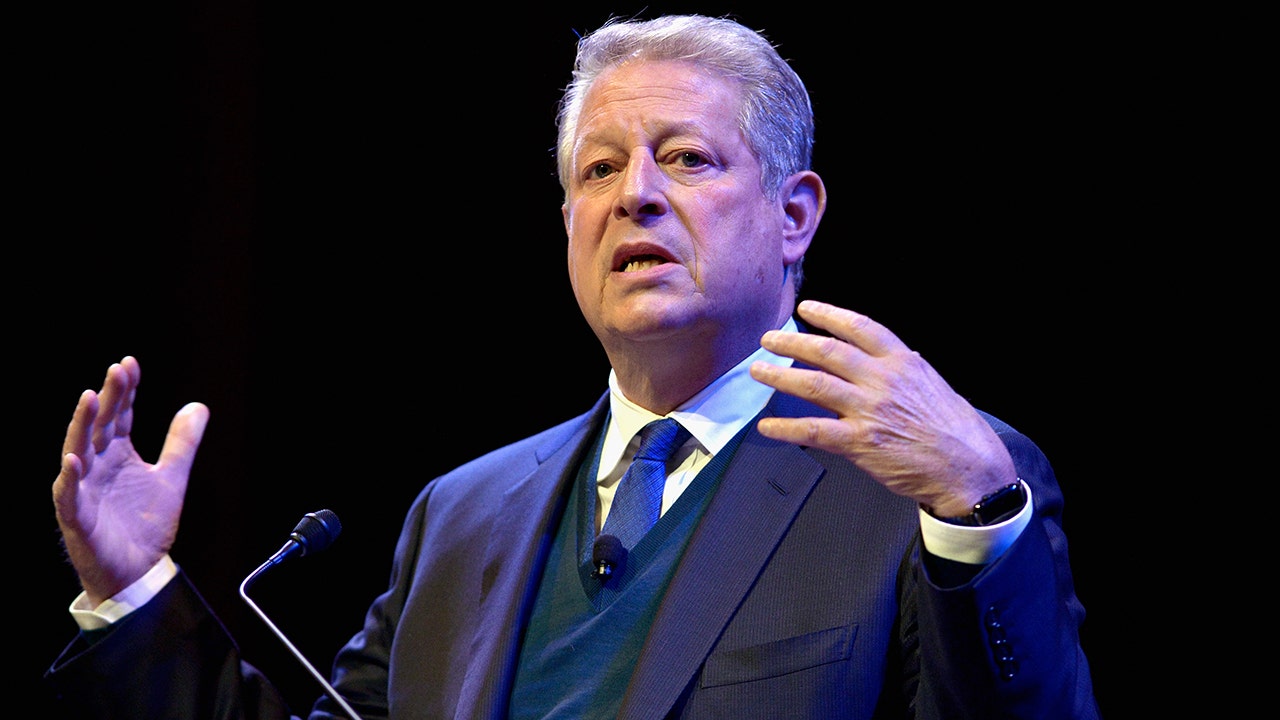
Al Gore, the 45th Vice President of the United States under Bill Clinton, has become a key figure in the battle against climate change. His commitment to global warming awareness has not only shaped public discussion but also influenced policy-making worldwide. As climate change becomes an increasingly urgent issue, understanding Gore’s contributions is critical to grasping the movement’s evolution.
Background and Political Career
Born on March 31, 1948, in Washington, D.C., Al Gore graduated from Harvard University and began his political career as a U.S. Congressman from Tennessee in 1977. He subsequently served as a Senator and was elected Vice President in 1992. His political focus has consistently included environmental issues, championing initiatives aimed at reducing greenhouse gas emissions and promoting renewable energy.
Documentary and Public Awareness
In 2006, Gore released the documentary “An Inconvenient Truth,” which brought global attention to climate change. The film presented scientific evidence showing the impact of human activity on climate and proposed urgent solutions. It won the Academy Award for Best Documentary Feature and has been credited with changing public perception and policy regarding climate change. Following the documentary’s success, Gore continued to deliver the “Inconvenient Truth” lecture series, further educating the public and leaders on the climate crisis.
A Nobel Peace Prize and Current Efforts
In 2007, Al Gore was awarded the Nobel Peace Prize alongside the Intergovernmental Panel on Climate Change (IPCC) for their efforts to build up and disseminate greater knowledge about man-made climate change. Today, Gore remains active in climate advocacy through organizations like the Climate Reality Project, which he founded to support grassroots efforts for climate action. His work emphasizes the urgency of mitigating climate change through policy reform and innovative solutions.
Conclusion
Al Gore’s advocacy for climate action has made a significant impact in raising awareness and influencing environmental policies on a global scale. As the world confronts the increasing challenges posed by climate change, Gore’s contributions remain pivotal in steering conversations and actions toward a sustainable future. With ongoing climate negotiations and evolving technologies, his insights and persistence will undoubtedly play a crucial role in shaping the responses needed to combat this pressing issue.