Key moments
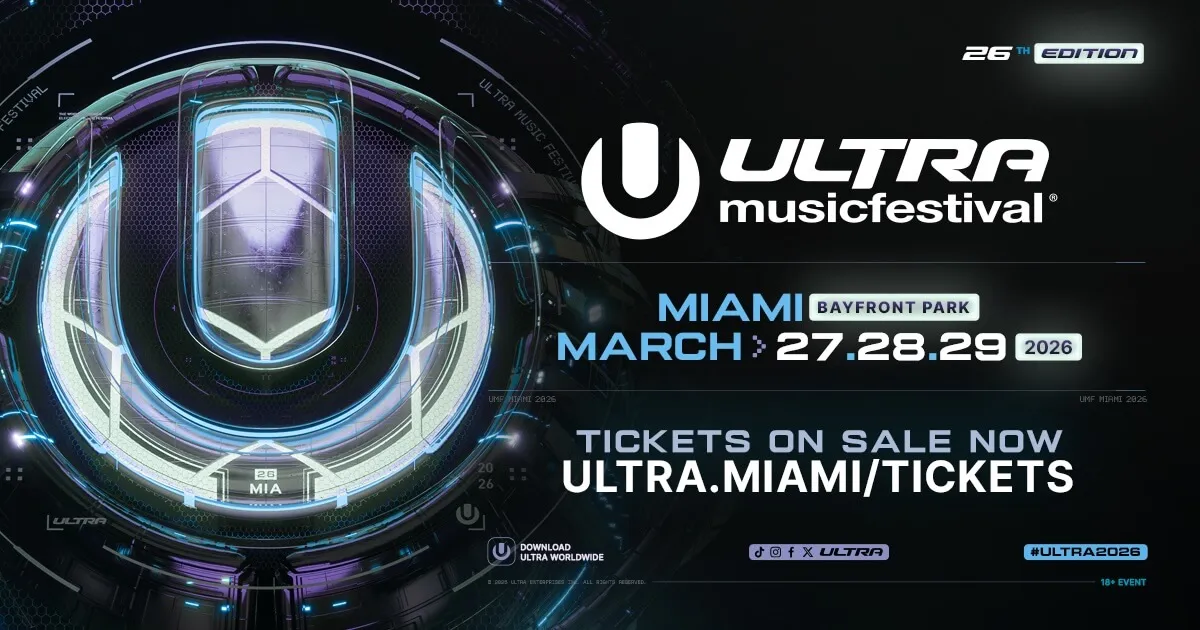
The Ultra Music Festival, a hallmark of electronic music culture, is set to return to Bayfront Park in Miami from March 27 to March 29, 2026. This year, the festival is expected to draw visitors from more than 100 countries, reaffirming its status as a premier global event in the electronic music scene.
As the festival approaches, local residents have expressed concerns regarding the potential noise levels, which have been reported to reach between 80 and 85 decibels near the venue. Laura Okamura, a resident of the area, voiced her apprehensions, stating, “It’s kind of stressful, and it’s definitely an imposition.” The festival has been a staple in Miami for 26 years, but as the surrounding area has become increasingly residential, the impact of such events has become a focal point for community discussions.
In response to these concerns, a public meeting is scheduled for April 2, where residents will have the opportunity to voice their opinions and discuss the implications of hosting such a large-scale event in their neighborhood. Damian Pardo, another local resident, commented on the situation, saying, “It seems doable,” suggesting that while challenges exist, there may be a way to balance the festival’s needs with community concerns.
The Ultra Music Festival is renowned for its elaborate stages and high-profile performances, featuring artists like Alesso, Martin Garrix, and Carl Cox. This year marks a significant milestone as the festival will introduce a dedicated livestream for the Live Stage, allowing fans worldwide to engage with the event remotely. The festival will run for three days, with livestream schedules set from 4:00 PM to 12:00 AM on Friday, 3:00 PM to 12:00 AM on Saturday, and 3:00 PM to 10:00 PM on Sunday.
Colby Leider, an expert in sound levels, remarked, “Eighty-five is a very important number in human hearing,” highlighting the potential impact of the festival’s noise on local residents. The festival’s organizers are urged to consider the community’s well-being while planning the event, as the balance between celebration and residential life becomes increasingly delicate.
As the festival gears up for its 2026 edition, the dialogue between the event organizers and the local community is more crucial than ever. Laura Okamura encapsulated the sentiment of many residents when she stated, “We are asking them to be a good neighbor. This is our home. This is where we live.” The outcome of the upcoming public meeting may set the tone for future festivals in the area and could influence how large events are managed in urban settings.
With the excitement of the festival looming, the community’s concerns cannot be overlooked. The Ultra Music Festival continues to be a significant event in Miami’s cultural landscape, but its future will depend on the ability to harmonize the vibrant energy of the festival with the needs of the residents who call the area home.