Who is involved
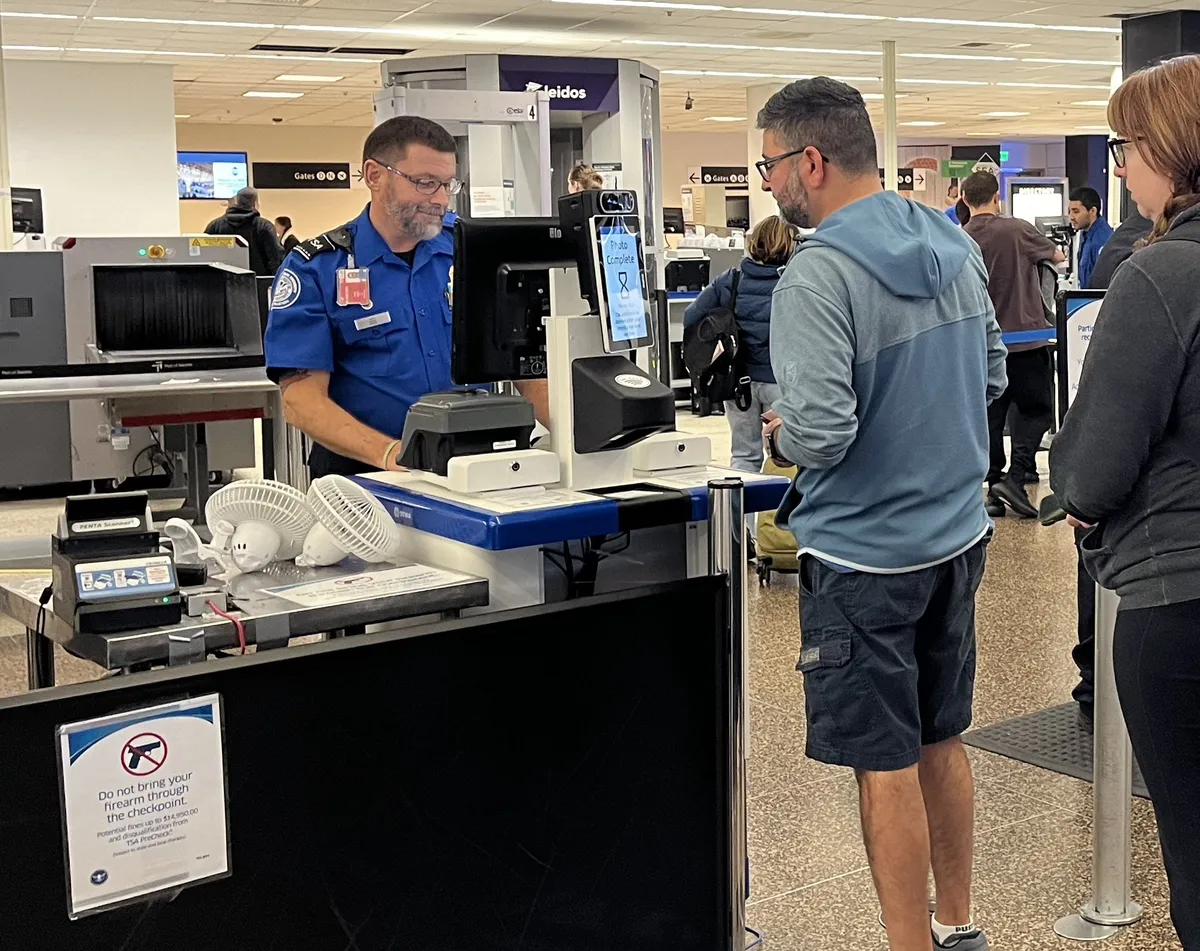
The landscape of airport security in the United States has undergone a notable transformation with the recent proposal from President Donald Trump to expand the privatization of the Transportation Security Administration (TSA) operations. Before this development, the TSA was primarily a federal agency responsible for ensuring the safety of air travel, with a workforce of federal employees tasked with screening passengers and luggage at airports across the nation. The expectation was that these federal employees would remain the backbone of airport security, especially during times of government instability.
However, the decisive moment came with the announcement of the 2027 budget proposal, which included a request of $63 billion for the Department of Homeland Security (DHS), reflecting a $2.2 billion decrease from the previous year’s budget. This budget plan not only aims to cut costs but also suggests that $52 million could be saved through the privatization of TSA operations. The rationale behind this shift is to ensure that security screeners continue to receive their pay during potential future government shutdowns, a concern that has been amplified by recent experiences of long security lines at airports due to staffing shortages caused by shutdowns.
The immediate effects of this proposed privatization are multifaceted. For the TSA agents, the union has raised alarms that privatization could lead to reduced pay and diminished job protections, raising concerns about the quality of security screenings. The TSA’s call-out rate was reported at 11% during the last government shutdown, highlighting the strain on the workforce and the potential for increased security risks if privatization leads to a loss of experienced personnel.
On the other hand, proponents of privatization argue that airports already utilizing private contractors for security screenings have demonstrated cost savings compared to federal operations. The White House has emphasized that this move could yield significant savings and initiate much-needed reforms within a federal agency that has faced criticism over its efficiency and effectiveness. As Trump stated, “I want to thank our hardworking TSA Agents and also, ICE, for the incredible help they have given us at the Airports,” indicating a recognition of the challenges faced by TSA employees during turbulent times.
Moreover, the backdrop of a partial government shutdown has exacerbated the urgency of this proposal. Passengers have experienced hours-long waits at several major U.S. airports, leading to frustration and calls for a more reliable security system. The TSA’s recent incidents, including a notable case where Pima County Sheriff Chris Nanos was stopped for carrying a loaded gun in his carry-on at Tucson International Airport, underscore the complexities and challenges of maintaining security standards amidst staffing shortages and operational pressures.
As the debate over TSA privatization unfolds, expert voices highlight the uncertainties surrounding the impact on worker pay and security risks. While the potential for cost savings is appealing, the implications for airport safety and the livelihoods of TSA employees remain a significant concern. Details remain unconfirmed regarding how these changes will be implemented and what safeguards will be put in place to ensure that security does not become compromised in the name of efficiency.
In summary, the proposed privatization of TSA airport security represents a pivotal shift in the management of air travel safety in the United States. As stakeholders navigate the complexities of this transition, the balance between cost efficiency and maintaining high security standards will be critical in shaping the future of airport operations.