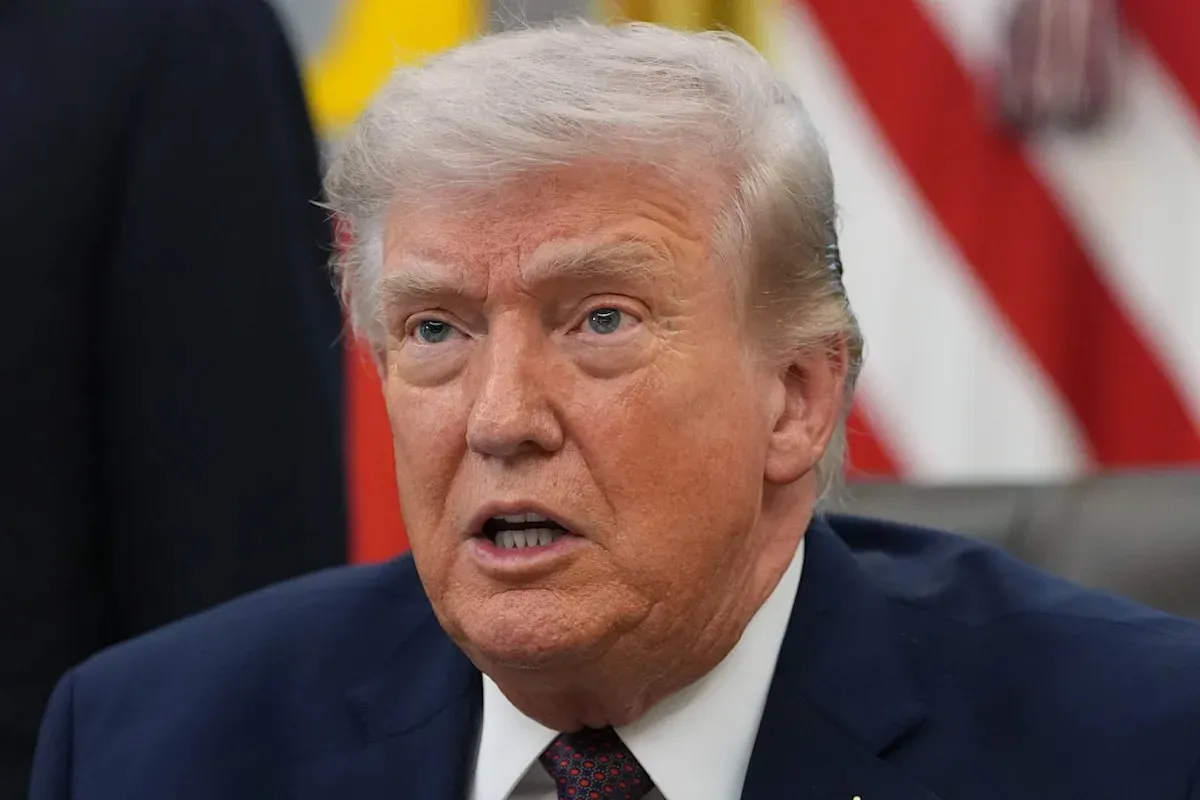
On Saturday morning, just before 11 a.m. Eastern time, the White House called a press lid, indicating that no public appearances from President Trump were expected for the rest of the day. This announcement triggered a wave of speculation and rumors regarding Trump’s health, with many believing he had been admitted to Walter Reed National Military Medical Center.
As the rumors circulated, reports emerged claiming road closures around the hospital were contributing factors to the speculation. However, these claims were quickly countered by White House communications director Steven Cheung, who confirmed that Trump was actively working in the White House during the Easter weekend.
Cheung stated, “There has never been a President who has worked harder for the American people than President Trump,” reinforcing the notion that Trump was not incapacitated or hospitalized. The White House’s official X account also reshared Cheung’s post about Trump’s activities, further quelling the rumors.
Hugo Lowell, a White House correspondent, corroborated Cheung’s statements, confirming that Trump was indeed in Washington and not at Walter Reed. He noted, “Trump is in Washington this weekend but we are yet to have a formal news briefing on the situation with the missing airman in Iran,” indicating that the President was engaged in pressing matters.
During the time the rumors were at their peak, Trump remained active on his social media platform, Truth Social, where he continued to communicate with his supporters. His posts included strong statements about immigration and national security, reflecting his ongoing engagement with political issues.
The sequence of events highlights the intense scrutiny and speculation surrounding Trump’s health, particularly given his previous medical history and the public’s interest in his well-being. The White House’s prompt denial of the hospitalization rumors underscores the administration’s effort to maintain transparency and control over the narrative.
As of now, Trump is confirmed to be working in Washington, and the rumors of his hospitalization at Walter Reed have been firmly dismissed. This situation illustrates the challenges faced by public figures in managing their health narratives amidst a highly charged political environment.
Details remain unconfirmed regarding any specific health issues, but the White House’s response has aimed to reassure the public about Trump’s current state. The implications of such rumors can be significant, affecting public perception and political dynamics.