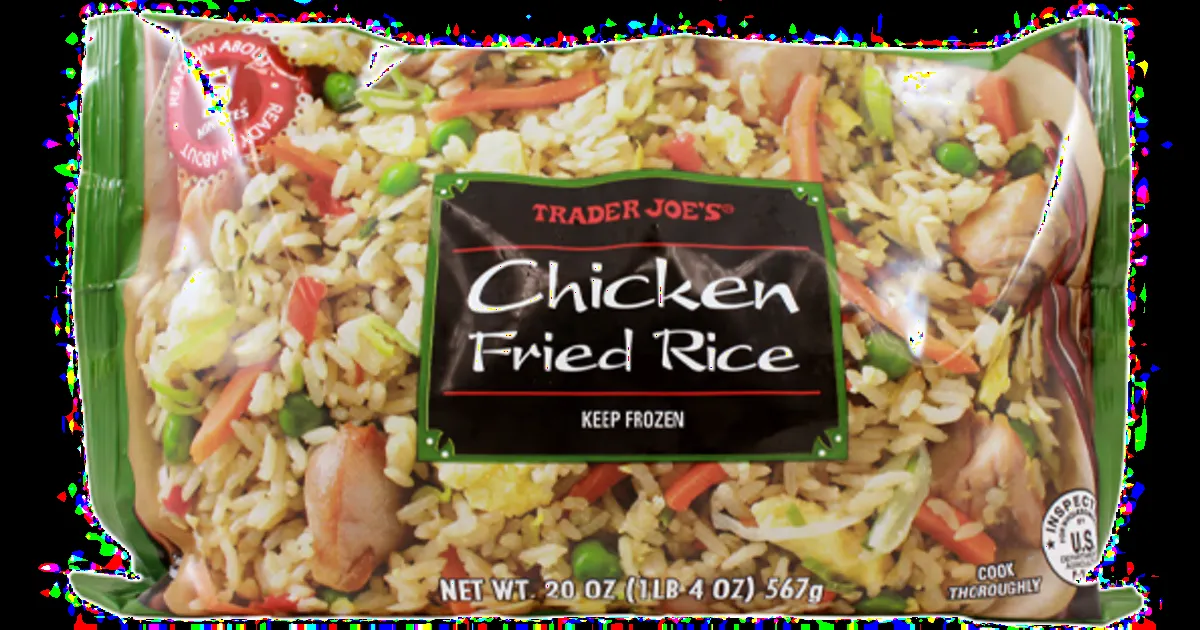
What happens when a beloved grocery store chain faces a massive recall? This question looms large as Trader Joe’s has announced a recall of nearly 10 million pounds of frozen food products due to potential glass contamination. The recall, which includes popular items such as Vegetable Fried Rice, Chicken Fried Rice, Japanese Style Fried Rice, and Chicken Shu Mai, has raised concerns among consumers and food safety advocates alike.
The recall was first initiated on February 19, 2026, when over three million pounds of frozen chicken fried rice products were recalled by Ajinomoto Foods North America Inc. This action was taken after reports surfaced regarding glass contamination, specifically linked to carrots used in the products. As the situation evolved, Trader Joe’s expanded the recall on March 3 and again on March 20, ultimately encompassing a staggering total of 9,885,240 pounds of frozen food products.
According to the U.S. Department of Agriculture’s Food Safety and Inspection Service, the glass contamination poses a remote chance of serious health consequences, classifying the recall as a Class II recall. The glass shards, measuring between 1-3 cm long and 2-4 mm wide, could potentially lead to injuries if consumed. Trader Joe’s has advised consumers to throw away or return the recalled products for a refund, emphasizing their commitment to consumer safety.
Trader Joe’s has publicly stated, “We err on the side of caution and are proactive in addressing issues,” highlighting their approach to food safety. The company further noted, “We voluntarily take action quickly, aggressively investigating potential problems and removing the product from sale if there is any doubt about its safety or quality.” These statements reflect the company’s dedication to maintaining high standards in food safety and quality control.
The affected products were distributed across 43 states in the U.S., impacting a wide range of consumers. The recall includes specific UPC codes and best-by dates, with the Vegetable Fried Rice having a UPC of 00521482 and best-by dates ranging from February 28 to November 19, 2026. This extensive distribution underscores the scale of the recall and the potential risk to consumers nationwide.
As the situation unfolds, it is crucial for consumers to stay informed about the products they purchase and consume. Trader Joe’s has taken significant steps to address the issue, but the incident raises broader questions about food safety practices in the industry. With millions of pounds of products affected, the recall serves as a reminder of the importance of vigilance in food production and distribution.
Details remain unconfirmed regarding the full extent of the impact on consumers and whether any injuries have been reported. As investigations continue, the focus will likely remain on ensuring that such incidents are minimized in the future. The Trader Joe’s recall is a significant event that highlights the ongoing challenges of maintaining food safety standards in a complex supply chain.