What does the future hold for Temporary Protected Status (TPS) holders in the United States? This question has gained urgency as recent legal and legislative developments have put the status of thousands at risk. TPS is a humanitarian program that allows individuals from countries experiencing crises to live and work in the U.S. temporarily. However, the program’s future remains uncertain, especially following actions taken during the Trump administration.
As of now, TPS protects around 403,000 individuals in Florida alone, who contribute significantly to various sectors, including health care and construction. Representative Sheila Cherfilus-McCormick has introduced the Respect for Essential Workers Act, which aims to provide a pathway to Green Cards for TPS holders. “Over 403,000 TPS holders in Florida keep our communities running, working in health care, construction, food supply, and more,” she stated, underscoring the critical role these individuals play in the economy.
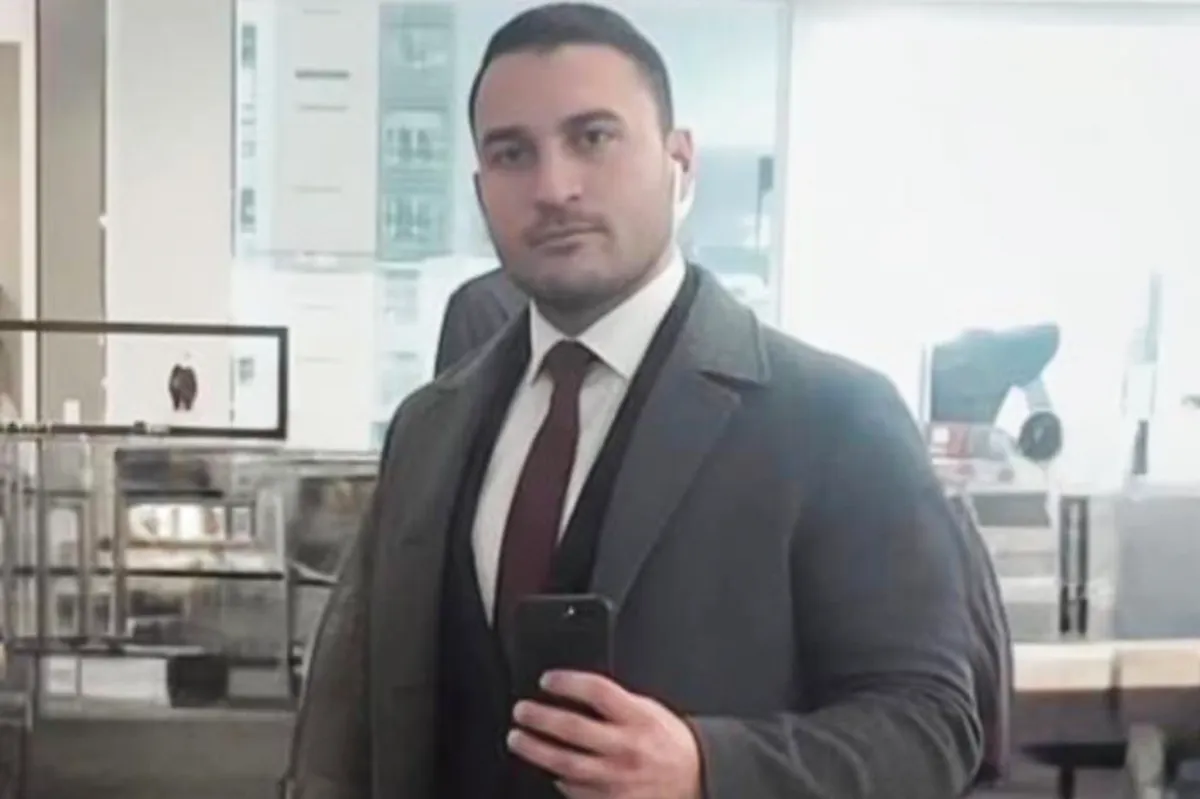
However, the landscape for TPS holders has been fraught with challenges. The Trump administration revoked TPS for nationals from several countries, including Haiti, Syria, and Venezuela, asserting that the program had strayed from its original intent of being temporary. This revocation has left many TPS holders in a precarious legal position, as seen in the case of Rafael Andres Rubio Bohorquez, who was denied release from ICE detention. Judge John Cronan ruled that Rubio’s TPS status had been withdrawn, stating, “The Court… concludes that, as a factual matter, Rubio’s TPS has been withdrawn.” This ruling illustrates the precariousness of TPS holders’ legal standing.
In a related development, the U.S. Supreme Court recently intervened to temporarily block plans to deport approximately 6,000 Syrians and 350,000 Haitians with TPS. This decision provides a temporary reprieve for many but does not resolve the underlying uncertainties surrounding TPS. As Jessica Bansal, an attorney involved in the case, noted, “Everyone’s application is still pending, more or less,” highlighting the ongoing legal limbo faced by many TPS holders.
Despite the challenges, TPS remains a vital program for many individuals who have been granted legal authorization to live and work in the United States. Julie Menin, an advocate for TPS holders, emphasized that individuals like Rafael have done everything required to maintain good standing in the program. “Rafael has had legal authorization to live and work in the United States and did everything he was asked to maintain good standing,” she remarked, pointing to the dedication of TPS holders in navigating a complex immigration landscape.
The future of TPS is still uncertain, with ongoing discussions about its status and potential reforms. While the Respect for Essential Workers Act aims to provide a more permanent solution for TPS holders, the political climate surrounding immigration remains contentious. As the situation evolves, the implications for TPS holders and their families will continue to unfold.
In summary, the fate of Temporary Protected Status is at a critical juncture. With legal challenges and legislative efforts underway, the future for TPS holders hangs in the balance. As advocates continue to push for reforms, the importance of TPS as a lifeline for thousands in the U.S. cannot be overstated. Details remain unconfirmed.