Understanding Tornado Alerts
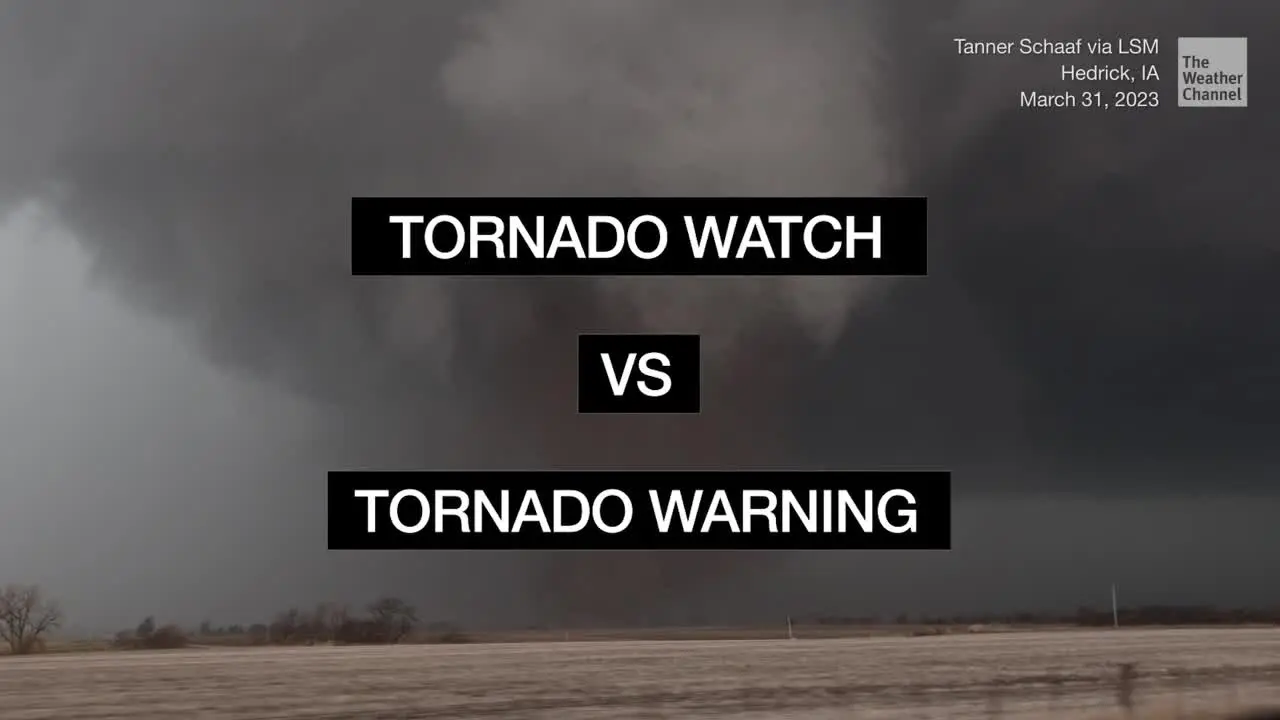
Tornadoes can develop suddenly and can be extremely dangerous, making it critical for individuals to understand the alerts issued by the National Weather Service (NWS). Two critical terms often encountered during severe weather alerts are ‘tornado watch’ and ‘tornado warning’. Knowing the differences between them can mean the difference between safety and danger.
Tornado Watch
A tornado watch is an alert that indicates conditions are favorable for the development of tornadoes in a particular area. It means that atmospheric conditions are conducive to the formation of thunderstorms capable of producing tornadoes. A watch does not mean a tornado is occurring, but it instead urges residents to be on alert and prepared. Watches usually cover large regions and can last several hours, depending on weather developments.
Tornado Warning
A tornado warning, on the other hand, is a more urgent notification. It is issued when a tornado has been sighted or indicated by radar, meaning that a tornado is imminent or already occurring. When a warning is issued, people in the affected area should take immediate action—this could involve moving to a basement, an interior room on the lowest floor, or finding sturdy shelter. Warnings typically cover a smaller geographic area and are time-sensitive, often lasting 30 minutes to an hour.
Recent Tornado Activity
The ongoing climate crisis has led to an increase in severe weather events, including tornadoes. In recent weeks, various regions across the Midwest and Southeast United States have experienced a series of tornado watches and warnings, highlighting the importance of public awareness regarding these alerts. According to the National Oceanic and Atmospheric Administration (NOAA), as of October 2023, there have been a notable increase in both the frequency and intensity of tornado incidents compared to the previous year.
Safety Preparedness
In light of these alarming trends, communities should prioritize tornado preparedness. Many local emergency management agencies offer resources such as educational materials on what to do during a tornado watch and warning. Individuals and families should also create a communication plan that includes a designated safe space and access to weather alerts via local news, radio, or smartphone apps.
Conclusion
Being informed about the differences between tornado watches and warnings can be crucial in ensuring public safety and minimizing harm during severe weather conditions. As climate patterns continue to change, understanding these differences and acting swiftly during alerts will remain essential for survival and community resilience.