On April 2, 2026, as severe weather conditions began to develop, the National Weather Service issued a tornado watch for 13 counties in Wisconsin, including Milwaukee, Waukesha, and Racine, around 1:45 p.m. This alert was prompted by the expectation of severe thunderstorms capable of producing tornadoes in the region.
In Northeast Ohio, a tornado watch was also put in place, particularly affecting Summit County, which is set to remain in effect until 11 p.m. that evening. Residents were warned of the potential for heavy rainfall and minor flooding as the storms advanced.
Meanwhile, the Chicago area faced its own tornado watch, which was scheduled to last until 8 p.m. The National Weather Service indicated that the main tornado threat in this region was expected to be along and west of Interstate 39.
As the day progressed, the weather forecast indicated wind gusts reaching up to 60 mph in Wisconsin, with hail sizes ranging from quarter to 2 inches. In the Chicago area, wind advisories were issued, predicting gusts of up to 45 mph.
By late afternoon, the severe weather prompted a Ground Stop at O’Hare Airport, leading to significant travel disruptions with average delays reported at 375 minutes. Travelers were advised to check flight statuses and prepare for extended waiting periods.
“If you’re going to be out and about this late afternoon and evening, I would just make sure you have a plan in place of where your immediate shelter is and how long it takes you to get there,” advised Taylor Patterson, a meteorologist.
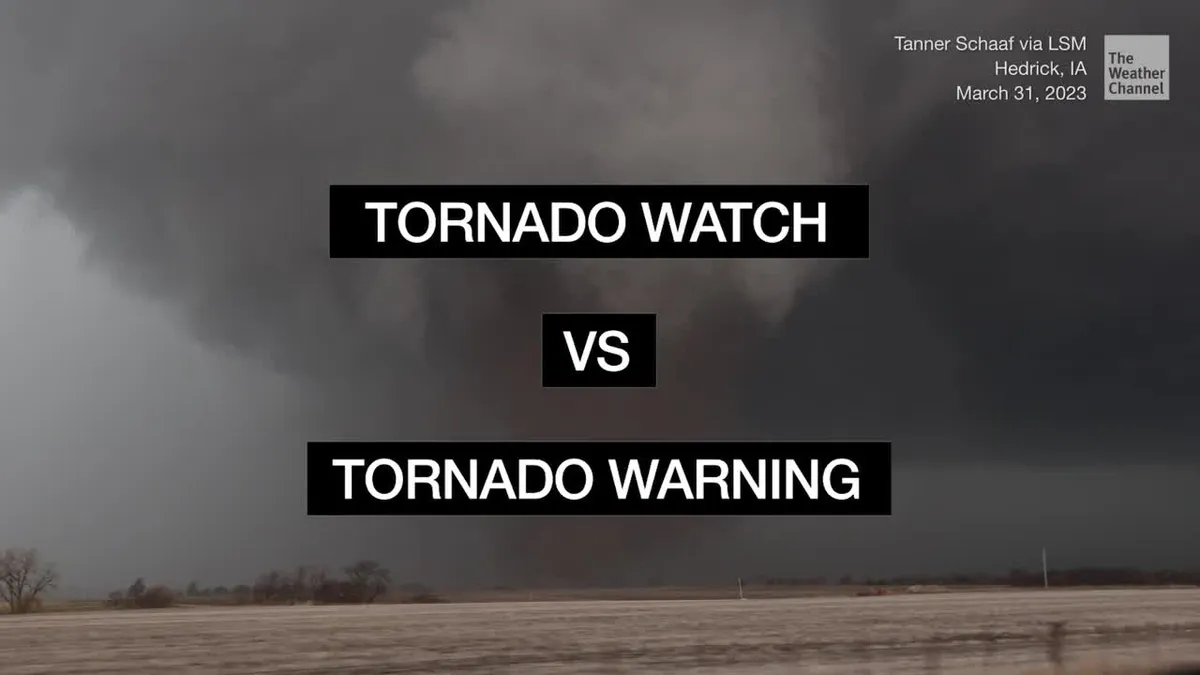
The situation remains dynamic, with meteorologists closely monitoring the developing storms. The tornado watch is a crucial alert, indicating that conditions are favorable for tornado formation, although it is less severe than a tornado warning.
As evening approaches, residents in the affected areas are urged to stay informed through local weather updates and to take necessary precautions to ensure their safety.
This sequence of events underscores the importance of preparedness during severe weather seasons, particularly in regions prone to tornado activity.
As the situation develops, officials continue to emphasize the need for vigilance and readiness among the public.