The financial fallout from a political boycott highlights the deepening rift within Idaho’s Republican Party over immigration policy, as Tom Zuiderveld has reportedly lost approximately $125,000 in annual commissions due to four major dairies ending their business relationships with him.
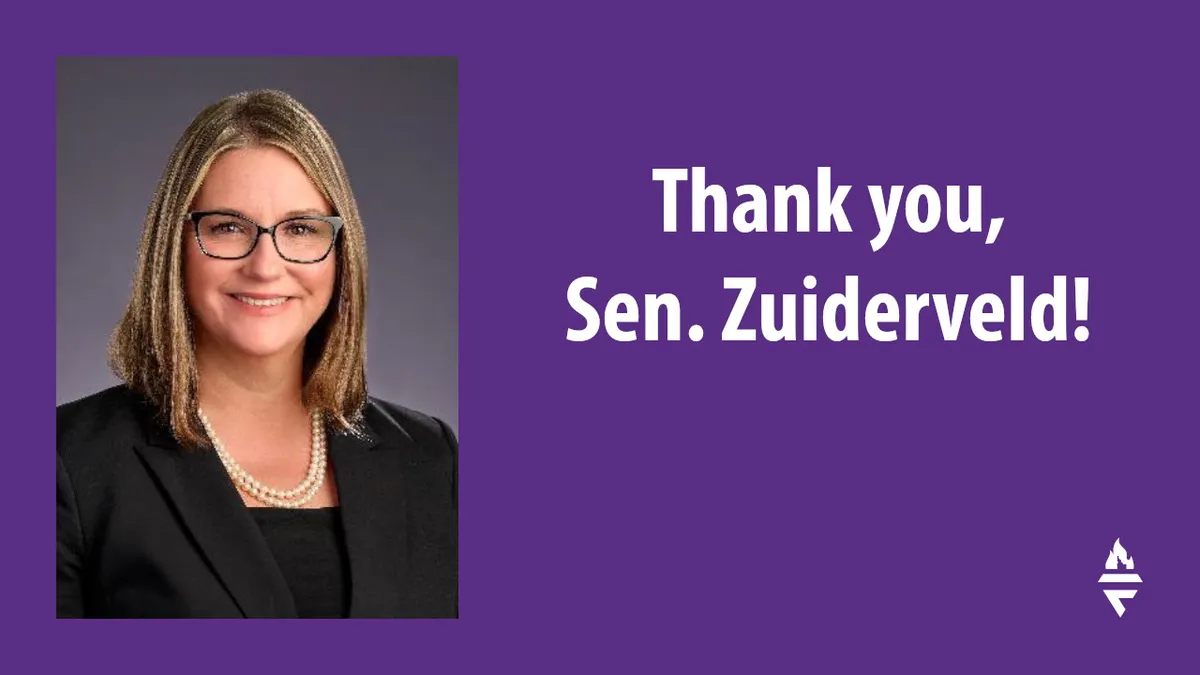
Just prior to this significant shift, Tom Zuiderveld’s income largely depended on these dairies, which accounted for roughly 80 percent of his earnings. This development unfolded against the backdrop of his wife, Glenneda Zuiderveld, a Republican lawmaker known for her hardline stance on immigration, which has created tension within the party.
On one hand, Glenneda Zuiderveld’s political actions have included co-sponsoring bills that require E-Verify checks for employers—measures that resonate with some constituents but directly threaten the labor supply in Idaho’s dairy sector. The industry relies heavily on immigrant labor; approximately 90 percent of its workforce consists of immigrants, many of whom lack legal work permits.
This conflict illustrates a broader struggle within the Republican Party in Idaho, where divisions over immigration policy have intensified. The political divide has reached everyday life, affecting personal and professional relationships, as evidenced by Tom Zuiderveld’s situation.
Tom Zuiderveld actively supports his wife’s political efforts and serves as her campaign treasurer. However, this allegiance may have contributed to his financial predicament. He remarked, “They did exactly what they wanted to do: send a message,” suggesting that the consequences of political affiliations can extend beyond mere rhetoric.
The dairy industry in Idaho is not only significant in terms of employment—providing jobs for approximately 4,500 individuals—but it also plays a crucial role in the state’s economy as the third-largest dairy sector in the United States. This economic backdrop raises questions about how ongoing political decisions will affect agricultural labor and industry stability.
Rick Naerebout, an industry representative, expressed concerns about the potential long-term effects of these developments. He stated, “This will be a potential tipping point for Idaho: Do we continue to shift further to the right, or do we moderate some?” Such reflections underline the complexities surrounding immigration policy and its ramifications on local economies.
As stakeholders navigate this evolving landscape, Brent Reinke emphasized the need for foresight: “What’s the impact next week, next month and next year?” These questions loom large as both farmers and lawmakers grapple with balancing economic needs against political ideologies.