Introduction
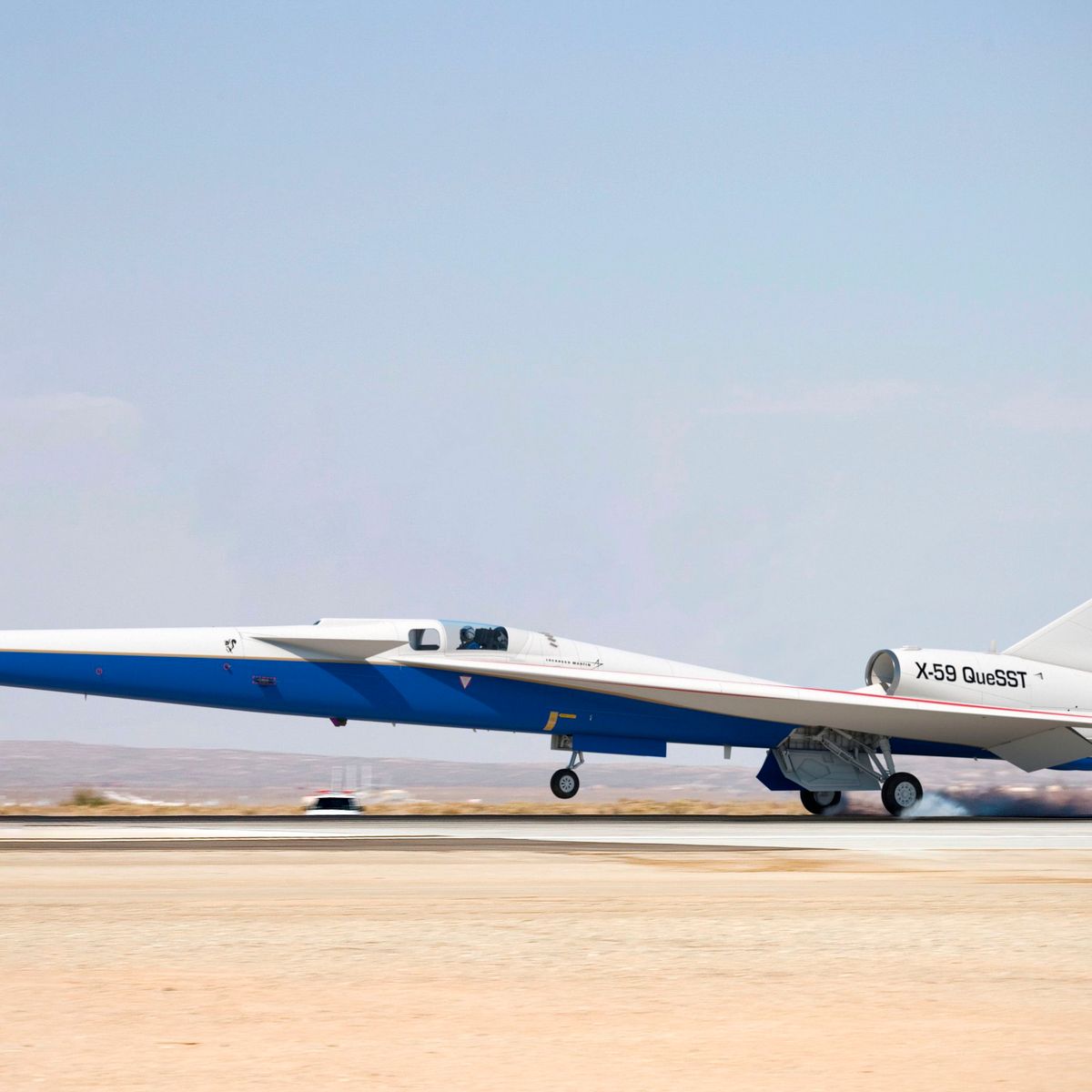
The X-59 Quiet SuperSonic Technology (QueSST) aircraft represents a groundbreaking advancement in aviation technology. Developed by NASA and Lockheed Martin, the X-59 aims to redefine the potential of supersonic flight by significantly reducing the sonic boom noise that has historically hindered the feasibility of commercial supersonic travel over land. With the project nearing crucial testing phases, the relevance of the X-59 extends beyond mere speed; it embodies a new era of eco-conscious travel and efficient flight.
Key Features and Developments
The X-59, designed with an elongated, slender fuselage and uniquely shaped nose, is engineered to mitigate the intense sound waves typically associated with break-the-sound-barrier flights. Instead of a conventional boom, this innovative aircraft will create a minimal ‘sonic thump,’ expected to sound like distant thunder. This transformation could potentially open new air routes for supersonic travel, especially over populated areas where noise restrictions are strict.
Scheduled for its first flight in 2023, the X-59’s testing will focus on gathering community responses to the sonic thump during its flights. Data collected will help establish regulatory benchmarks that could facilitate the return of commercial supersonic flights. NASA is working closely with the Federal Aviation Administration to draft new regulations that align with findings from the X-59’s test flights.
Significance and Future Outlook
The implications of the X-59 project are profound, possibly ushering in a resurgence of supersonic travel. Notably, several airlines are interested in supersonic designs, eyeing routes that could significantly reduce travel time. If successful, the X-59 will not only bring back supersonic flying but also do so in a sustainable manner that addresses environmental concerns and local noise restrictions.
Conclusion
As the X-59 moves closer to its first flight, the aviation industry watches with great anticipation. If its tests prove successful, the data will pave the way for future supersonic commercial travel and may completely alter travel dynamics, allowing for quicker, quieter, and more efficient flights globally. This could signify a rebirth of an industry that had been largely dormant since the Concorde was retired. Thus, the X-59 is more than just an aircraft; it’s a symbol of innovation, aimed at balancing speed with responsibility in the modern era of aviation.