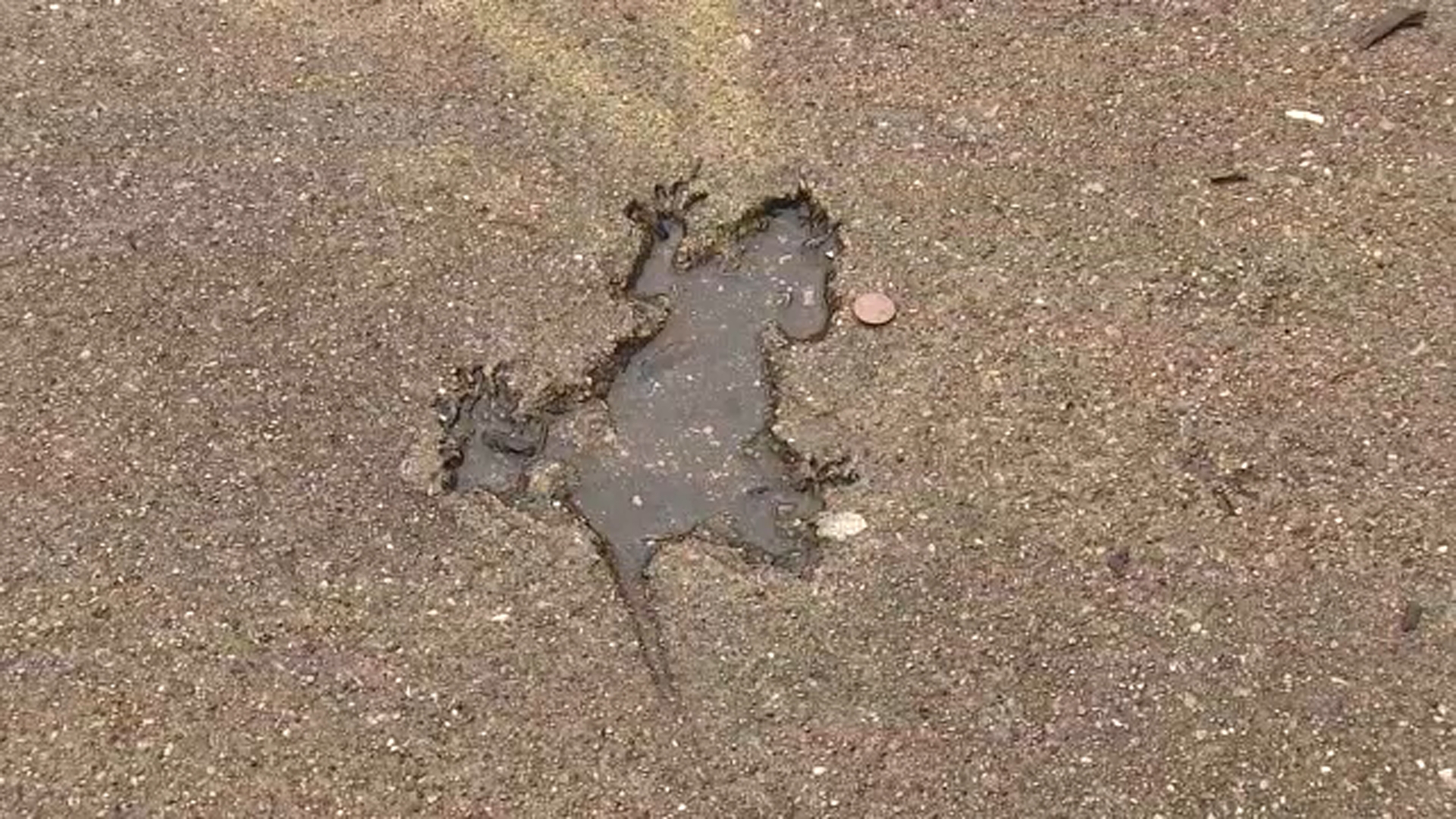
Introduction to the Chicago Rat Hole Problem
The issue of rat holes in Chicago has become a significant public concern, garnering attention from both residents and officials. The rise in rat populations has raised alarm over public health, sanitation, and the overall quality of urban life in one of America’s largest cities. According to the Chicago Department of Streets and Sanitation, there has been a notable uptick in rodent complaints over the past few years, highlighting the urgent need for effective measures to combat this issue.
Understanding the Rat Population Surge
Several factors contribute to the increase in rat populations across Chicago. The COVID-19 pandemic saw a drop in human activity in urban spaces, disrupting pest control efforts and allowing rodents to thrive in abandoned areas. Furthermore, the city’s aging infrastructure, with numerous construction sites and dilapidated buildings, creates ideal nesting conditions for these pests. The City of Chicago’s 2022 Rodent Control Report indicated that rat burrows, commonly referred to as “rat holes,” have been spotted in various neighborhoods, reinforcing the need for comprehensive solutions.
Impact on Community and Health
The proliferation of rat holes not only poses aesthetic and nuisance issues but also significant public health risks. Rats are known carriers of various diseases, including leptospirosis, hantavirus, and salmonella, which can pose health threats to humans. Additionally, their presence can attract other pests and create an unsanitary urban environment. Community leaders and health officials emphasize the importance of taking immediate action to address the growing rat population to protect residents’ health and safety.
Current Efforts and Solutions
In response to the rising concerns over rat holes, the City of Chicago has initiated several measures aimed at managing rat populations. Public awareness campaigns are encouraging residents to report sightings and educate them on maintaining sanitation, such as proper waste disposal practices. Additionally, the city has increased its investment in pest control efforts, including the use of modern baiting systems and increased staffing in urban pest management teams. Proposed legislation also aims to regulate construction practices that could inadvertently support rat habitats.
Conclusion and Future Outlook
The issue of rat holes in Chicago represents a multifaceted problem that intertwines public health, urban planning, and community responsibility. As city officials and residents work together to tackle this challenge, ongoing efforts will determine the effectiveness of current strategies. Continued vigilance, community engagement, and innovative solutions will be crucial in mitigating the rat problem and ensuring a healthier urban environment for all Chicagoans in the years to come.