Introduction
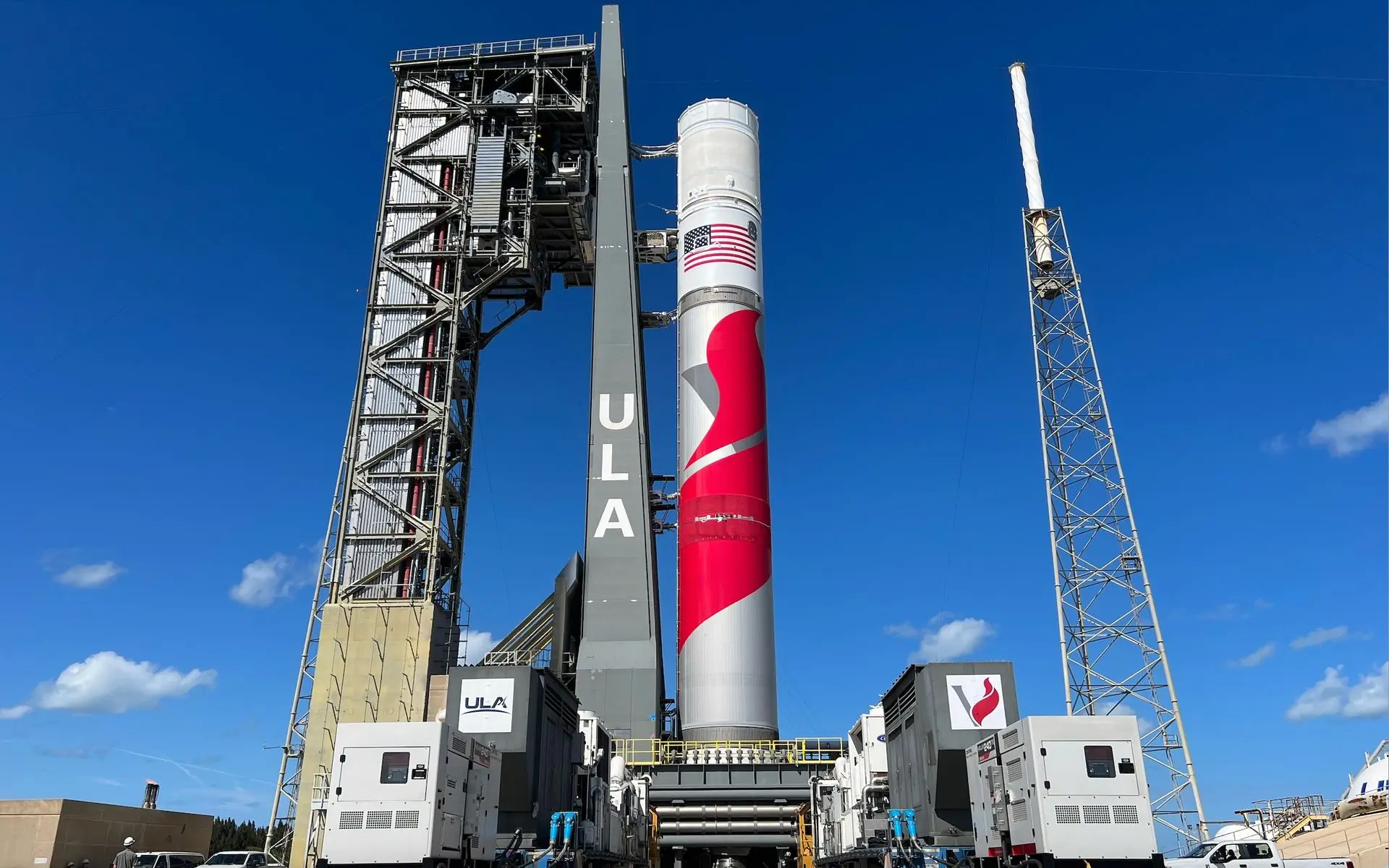
The United Launch Alliance (ULA) is gearing up for a significant milestone with the upcoming launch of its Vulcan Centaur rocket. This launch is poised to enhance ULA’s capabilities in the competitive field of commercial rocket launches. With advancements in technology and an eye on meeting the needs of both governmental and commercial clients, the Vulcan rocket represents a crucial step forward in space exploration and satellite deployment.
Details of the ULA Vulcan Rocket Launch
The inaugural launch of the Vulcan Centaur is scheduled for late 2023, although exact dates may fluctuate due to various factors, including technical readiness and weather conditions. This rocket, designed to replace ULA’s Atlas V and Delta IV families, aims to improve payload capacity and reduce launch costs. It has a remarkable lift capability of over 27,000 kilograms to geostationary orbit.
One of the exciting features of the Vulcan Centaur is its use of the BE-4 engine, developed by Blue Origin, which promises enhanced reliability and efficiency. This engine is designed to utilize liquefied natural gas (LNG) and liquid oxygen, making it a more sustainable option compared to traditional rocket fuels.
Recent Developments and Preparations
In anticipation of the Vulcan’s debut, ULA has been actively conducting comprehensive tests. In September 2023, ULA completed a successful static fire test of the first Vulcan rocket at Cape Canaveral Space Force Station in Florida. This test involved igniting the BE-4 engines while the rocket was secured to the ground, demonstrating their performance long before the actual launch.
Moreover, ULA has secured multiple payloads for the Vulcan’s early launches, including the United States Space Force’s mission for the National Reconnaissance Office and a set of satellites for the Amazon Project Kuiper. This crucial collaboration highlights ULA’s role in supporting various governmental and commercial needs.
Conclusion
The ULA Vulcan rocket launch is not just a routine mission; it signifies a pivotal transformation in the aerospace industry. With cutting-edge technology and innovative design, the Vulcan Centaur is set to redefine how payloads are sent into space. As we approach its launch, stakeholders are optimistic that it will pave the way for new opportunities in the competitive launch market. Enthusiasts and professionals await this landmark event, which promises to be a critical component in the ongoing evolution of space exploration.