Introduction
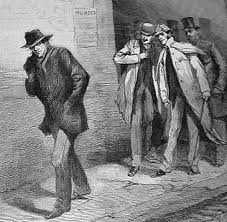
Jack the Ripper remains one of the most infamous serial killers in history, haunting the streets of Victorian London in 1888. His gruesome murders of female sex workers in the Whitechapel district captivated the public, leading to widespread media frenzy and prolonged investigations. The Ripper’s identity was never discovered, making the case a significant point of interest for criminologists, historians, and amateur sleuths alike. Understanding this case is crucial as it reflects societal attitudes towards women, crime, and the law in the late 19th century.
Events and Details
The series of murders attributed to Jack the Ripper began in August 1888 and ended in November of the same year. The victims—Mary Ann Nichols, Annie Chapman, Elizabeth Stride, Catherine Eddowes, and Mary Jane Kelly—were all murdered in brutal manners, with parts of their bodies mutilated. The nature of the crimes suggested that the killer possessed some anatomical knowledge, which drew further scrutiny into who might have been capable of such acts.
The police were overwhelmed by the ferocity of the murders and the media attention they garnered. Flowing from the investigation was a cataclysm of sensational reports that shaped public perception, alleging everything from the involvement of high-profile figures to claims of supernatural elements. Letters purportedly from the killer, including one signed “Jack the Ripper,” only added to the frenzy.
Over the years, many theories have emerged regarding the true identity of Jack the Ripper. Suspects have ranged from local butcher and doctors to members of the royal family; however, no evidence has definitively linked any one individual to the crimes. The mystery remains unsolved even today, inspiring countless books, films, and documentaries exploring the case.
Conclusion
The story of Jack the Ripper continues to resonate, as it reflects the darker sides of urban life and the vulnerabilities of women in society. Several recent archaeological investigations and modern forensic techniques have been applied to pieces of evidence, suggesting new leads, yet the true identity of Jack the Ripper might never be known. The case serves as an ongoing reminder of unsolved mysteries in criminal history and the challenges faced by law enforcement, showcasing the evolution of criminal justice practices over time. It invites readers not only to ponder the possibilities of who the Ripper was but also to reflect on the lessons learned from history regarding crime, gender, and society.