Introduction
Nodar Kumaritashvili was a Georgian luge athlete whose untimely death during the 2010 Winter Olympics brought significant attention to the safety measures in winter sports. His legacy remains a crucial topic as his accident has led to ongoing discussions about athlete safety and regulation changes in luge and similar sports.
Events Leading to the Tragedy
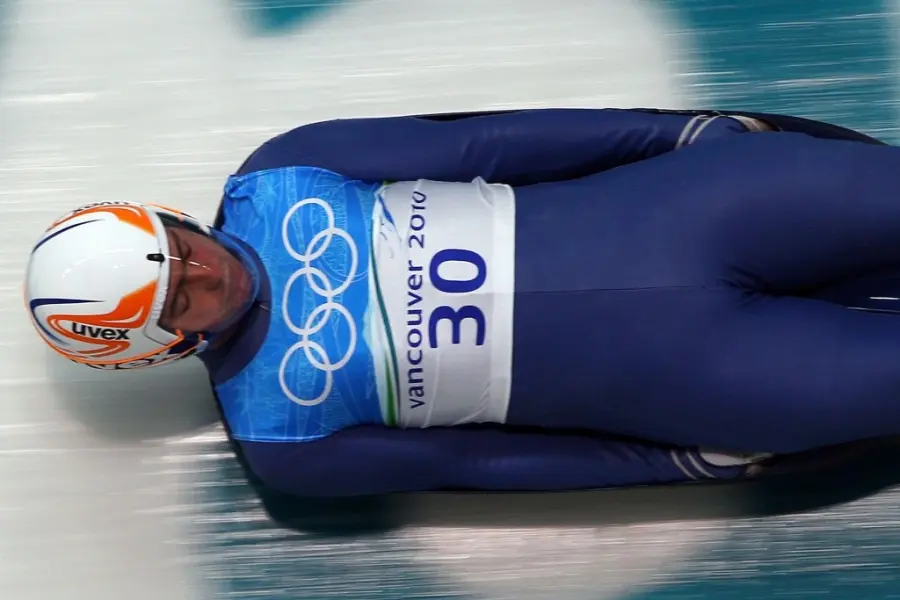
Nodar Kumaritashvili was competing in the Men’s Luge singles event at the 2010 Winter Olympics held in Vancouver, Canada. Before the tragic event on February 12, 2010, there had been concerns about the Whistler Sliding Centre, where athletes were reporting that the track was the fastest ever built, raising safety alarms. Tragically, during his final training run, Kumaritashvili lost control and collided with a steel pole, resulting in fatal injuries.
Impact on Winter Sports Safety
The aftermath of the accident prompted the International Luge Federation (FIL) and other governing bodies to review and enhance safety measures. The need for safety regulations has become more pronounced, including track designs, athlete training protocols, and protective gear upgrades. Kumaritashvili’s death is credited with pushing for reforms that have potentially saved lives in subsequent Olympic Games.
Remembering Nodar Kumaritashvili
In honor of Kumaritashvili, the Georgia National Olympic Committee has established the Nodar Kumaritashvili Foundation, aimed at helping promote winter sports and improving athlete safety. Many in the sport remember him not only for his tragic end but also for his passion and dedication to luge, sparking a movement for change in athlete treatment and conditions.
Conclusion
Nodar Kumaritashvili’s legacy continues to resonate within the winter sports community and serves as a reminder of the critical need for safety reforms. As discussions around sports safety evolve, Kumaritashvili’s story underscores the importance of prioritizing athlete well-being, making strides towards a safer competitive environment for all.