Introduction: The Impact of the Titanic
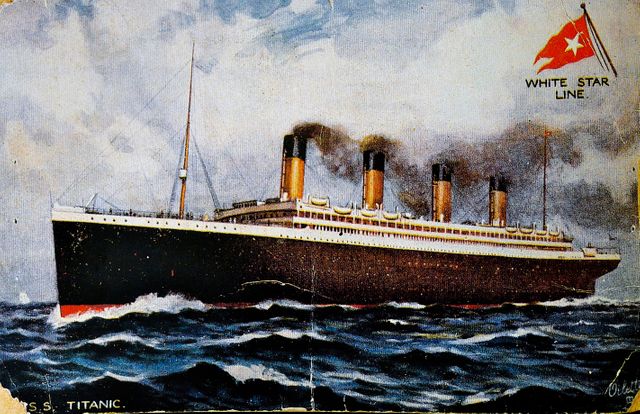
The sinking of the RMS Titanic on April 15, 1912, remains one of the most notorious maritime disasters in history. The tragedy, which claimed the lives of over 1,500 passengers and crew members, has continued to capture the public’s imagination for more than a century. Its relevance is underscored not just by the sheer loss of life but also by the technological advancements and regulatory changes it prompted in maritime safety.
The Events Leading to the Disaster
The Titanic, touted as “unsinkable” due to its advanced safety features, embarked on its maiden voyage from Southampton to New York City on April 10, 1912. However, on the fateful night of April 14, while traveling at near maximum speed in iceberg-laden waters, the ship struck an iceberg. This collision led to a catastrophic failure of the vessel’s hull, causing it to sink in just over two hours.
Aftermath and Legacy
The immediate aftermath of the disaster saw a series of rescue operations and a public outcry over the inadequacies in safety regulations at the time. Only 705 of the 2,224 passengers on board were rescued, leading to a global re-evaluation of maritime safety standards. In 1914, the International Convention for the Safety of Life at Sea (SOLAS) was established as a result of the tragedy, introducing measures such as lifeboat requirements and ice patrols.
Current Commemoration and Cultural Impact
Over the years, the Titanic has been memorialized in various forms of media, notably through James Cameron’s 1997 film, which rekindled public interest and awareness about the ill-fated ship. Exhibitions devoted to the artifacts recovered from the wreck site in the North Atlantic continue to educate the public about the lives affected by the disaster. The wreck was discovered in 1985, sitting more than 12,000 feet deep, and has since been studied extensively, providing insights into not just the ship itself but also early 20th-century society.
Conclusion: Remembering the Titanic
The Titanic serves as a sobering reminder of human fallibility, the limits of technology, and the importance of safety protocols. As we reflect on the lessons learned from this maritime tragedy, it remains essential for both the maritime industry and the public to remember the lives lost and the ongoing relevance of safety regulations in maritime experiences. The Titanic’s legacy continues to influence current maritime practices, ensuring that such a tragic disaster may never happen again.