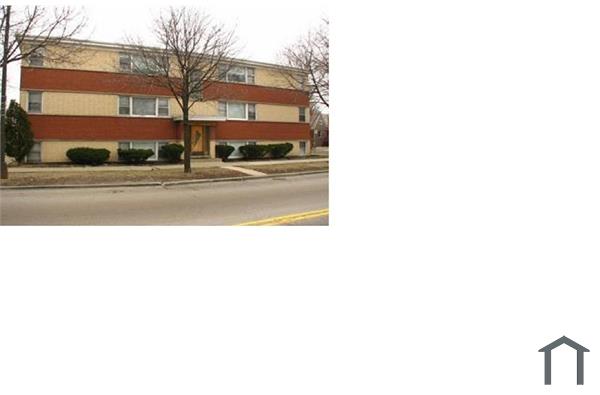
Introduction
Affordable housing remains a critical issue in Chicago, with many residents struggling to find secure and livable accommodations within their budget. As the cost of living continues to rise, the demand for affordable housing options has increased, highlighting the importance of policies and initiatives aimed at addressing this pressing need. This article examines the current landscape of affordable housing in Chicago, recent developments, and the ongoing efforts to enhance availability for all residents.
Current Landscape
As of 2023, Chicago has made strides toward improving its affordable housing crisis, yet challenges remain. Approximately 35% of the city’s population spends over 30% of their income on housing, which is a significant indicator that many residents are burdened by housing costs. The Chicago Housing Authority and various non-profit organizations have seized the opportunity to launch initiatives aimed at increasing affordable units while rehabilitating existing properties.
Recent Developments
In recent months, several projects have been announced or are currently underway. One major initiative includes the city’s commitment to constructing 1,000 new affordable housing units by the end of 2025. Programs like the Low-Income Housing Tax Credit (LIHTC) have also been leveraged to incentivize developers to allocate a percentage of their projects to affordable housing. Furthermore, the city has initiated partnerships with community organizations to ensure that developments meet the needs of local residents.
Data from the Chicago Department of Housing indicates that the expansion of affordable housing is being prioritized in several neighborhoods historically underserved. These developments not only aim to provide housing but also foster community economic growth through job opportunities and local services.
Community Impact
The expansion of affordable housing options in Chicago is crucial for diverse populations, including low-income families, seniors, and individuals with disabilities. Access to affordable housing can improve overall quality of life by providing stability and access to essential services, such as education and healthcare. Community advocacy groups have emphasized the importance of maintaining affordability in the context of gentrification to ensure that long-term residents are not displaced.
Conclusion
In conclusion, while Chicago has made notable progress in addressing its affordable housing crisis, continued efforts are essential to overcome the significant challenges that lie ahead. Stakeholders, including government agencies, non-profits, and the community at large, must work collaboratively to create sustainable solutions. With initiatives poised to increase affordable housing availability and maintain inclusivity in the housing market, the future looks hopeful, although persistent vigilance and advocacy will be critical to securing the needs of all Chicago residents.