Introduction
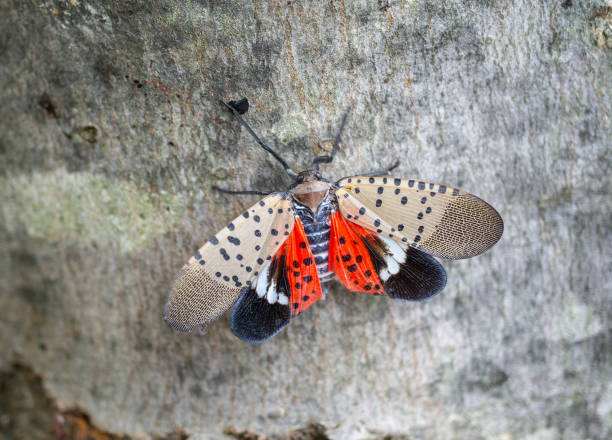
The spotted lanternfly (Lycorma delicatula) has emerged as a significant agricultural and ecological threat across various states in the United States. Originally native to Asia, this invasive pest was first identified in the U.S. in Pennsylvania in 2014 and has since spread to several other states, raising alarms among entomologists, farmers, and environmental organizations alike. The importance of understanding the spotted lanternfly lies in its potential to cause substantial damage to crops, especially those in the viticulture industry, as well as its broader ecological impact.
The Spread of the Spotted Lanternfly
As of late 2023, the spotted lanternfly has been reported in over 14 states, including New Jersey, Virginia, and Delaware. This pest is notorious for its ability to reproduce quickly, with multiple generations produced in a single year. The insects feed on the sap of host plants, particularly the Tree of Heaven, as well as various fruit trees and hardwoods. Their feeding behavior not only weakens these plants but also excretes a sticky substance known as honeydew, which leads to the growth of sooty mold, further harming the plants and reducing crop yields.
Economic Impact
The economic implications of the spotted lanternfly infestation are severe. In Pennsylvania alone, estimates suggest that the pest could cause billions of dollars in damages to the state’s economy if left unchecked. The wine and fruit industries face particularly high stakes, with grapevines and fruit trees being prime targets. Farmers and producers are urged to implement control measures, such as the use of insecticides and biological control methods, to mitigate these risks.
Control Measures and Public Awareness
Efforts to control the spread of the spotted lanternfly include monitoring programs, public education campaigns, and state-mandated quarantine zones in infested areas. The Pennsylvania Department of Agriculture, along with local universities, are actively seeking agricultural solutions and engaging the public in reporting sightings. Homeowners are encouraged to check their properties and report any infestations to local authorities, playing a crucial role in early detection.
Conclusion
In conclusion, the spotted lanternfly poses a significant threat not only to the agricultural economy but also to ecosystems across a growing number of states. Understanding and addressing this invasive species is imperative as its spread continues. Without proper management and public awareness, the consequences for crops and native plants could be dire. Readers are urged to stay informed about this pest and participate in local efforts to combat its spread, reinforcing the importance of collective action in safeguarding our environment.