Introduction
Ticketmaster has long been a dominant force in the live event ticket sales industry, providing millions of fans access to their favorite concerts, sports events, and cultural happenings. Founded in 1976, the company has evolved to include cutting-edge technology, making purchasing tickets easier than ever. However, recent controversies and challenges have caused many to question its market position and practices.
Recent Developments
In 2022, Ticketmaster was at the center of multiple high-profile controversies, notably during the sale of tickets for Taylor Swift’s highly anticipated tour. The overwhelming demand led to website crashes and significant frustration among fans, prompting discussions about bots and ticket scalping. This event highlighted long-standing criticisms regarding Ticketmaster’s service fees, the accessibility of tickets, and its near-monopolistic control over the ticket sales market.
Moreover, regulatory scrutiny has increased, with various lawmakers pushing for reforms in the ticketing industry to ensure fair access for consumers. These developments culminated in a congressional hearing where Ticketmaster’s practices were scrutinized, and potential changes to regulations governing ticket sales were discussed.
Market Position and Strategies
Despite the controversies, Ticketmaster continues to maintain a dominant position in the ticket-selling space due to its vast network of partnerships with venues and promoters. It provides a range of services including marketing, sales, and distribution. In recent years, Ticketmaster has also started to integrate more digital innovations, including mobile ticketing and self-service kiosks, to enhance user experience and streamline operation.
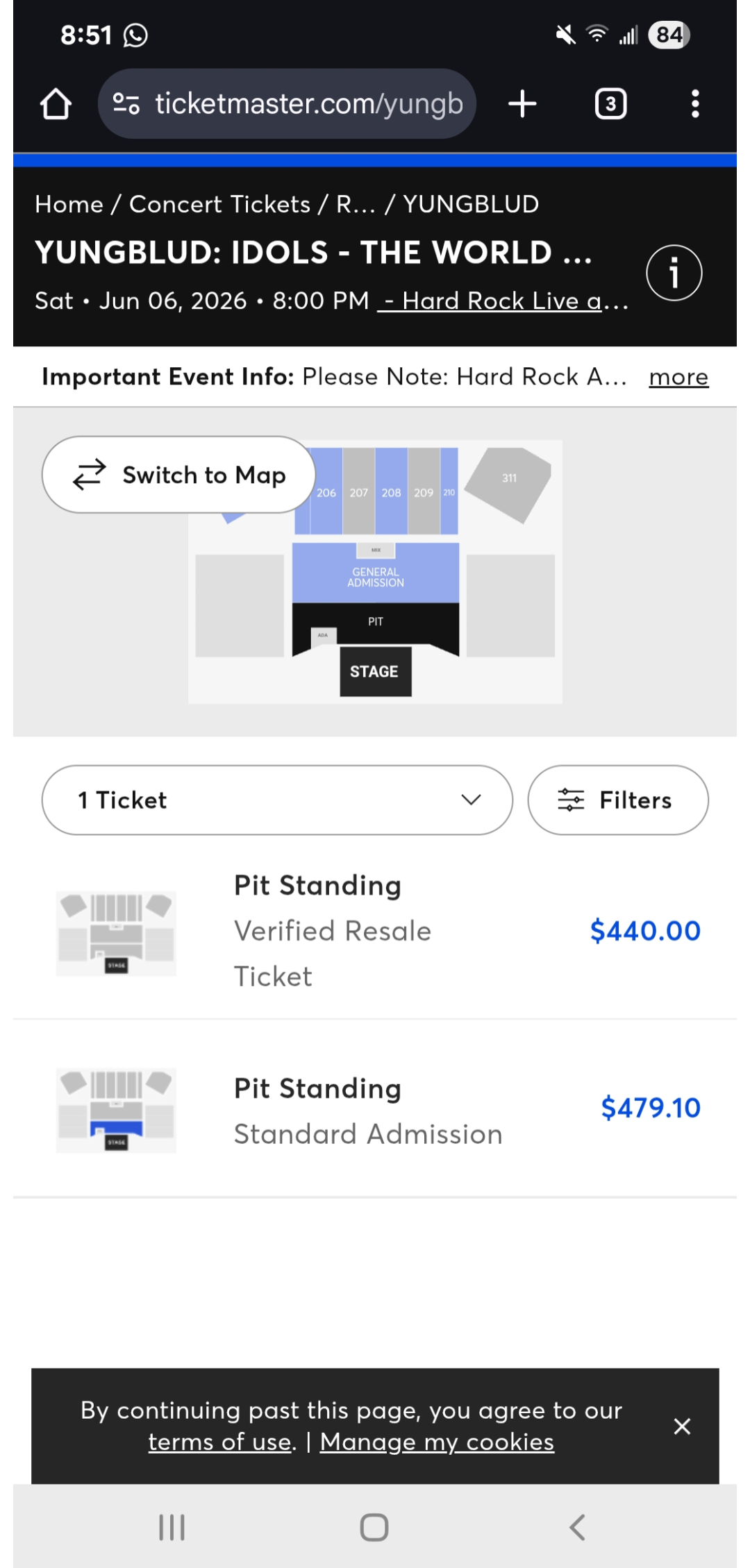
In response to criticism, Ticketmaster has made efforts to become more transparent about its pricing and the distribution of tickets. Initiatives such as the launch of Verified Fan, which aims to combat bots and ensure that tickets go to real fans at fair prices, illustrate its commitment to improving its public image.
Conclusion
The future of Ticketmaster lies in its ability to adapt to changing consumer needs and navigate regulatory landscapes. As live events continue to rebound post-pandemic, Ticketmaster is poised to capitalize on the booming demand for tickets. However, its success will depend on how it addresses ongoing public scrutiny and competitive pressures from emerging ticket platforms. For consumers, understanding Ticketmaster’s evolving role may be crucial in ensuring access to their favorite events in a fair and transparent manner.