Introduction
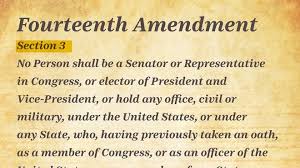
The 14th Amendment of the United States Constitution is one of the most significant legal changes in American history, greatly influencing the discourse surrounding civil rights and the scope of citizenship. Ratified in 1868, amidst the aftermath of the Civil War, its implications continue to resonate in contemporary issues, ranging from immigration rights to equality before the law. Understanding the 14th Amendment is essential for grasping the evolving legal landscape of America.
Key Provisions of the 14th Amendment
The 14th Amendment consists of several sections, with the first section being particularly noteworthy as it establishes citizenship rights. It states that all persons born or naturalized in the United States are citizens, thereby expanding citizenship beyond white men to include former slaves and their descendants. This inclusion marked a transformative moment in U.S. history, intended to counteract the Dred Scott v. Sandford decision of 1857, which denied citizenship to African Americans.
Furthermore, the Amendment guarantees equal protection of the laws and due process, which serve as fundamental principles in legal interpretations and decisions. The Equal Protection Clause has been the basis for numerous Supreme Court cases challenging racial discrimination and advocating for gender equality, thus shaping American civil rights.
Recent Developments and Discussions
In recent years, the 14th Amendment has become central to various legal debates, particularly concerning immigration laws and voting rights. Judicial interpretations of the Amendment have been invoked in cases addressing issues such as birthright citizenship. For instance, discussions surrounding the legality of deporting children of undocumented immigrants often reference the Amendment’s guarantee of citizenship to those born on U.S. soil.
Additionally, as states push voter ID laws and restrictions on voting access, proponents of voting rights cite the 14th Amendment as a defense against discrimination, arguing that it obligates states to ensure equal access to the polls. The continued relevance of the Amendment raises pressing questions about how far America has come in fulfilling its promises of equality and protection under the law.
Conclusion
The 14th Amendment remains a cornerstone of American democracy, influencing debates around rights, citizenship, and equality. As contemporary issues challenge the interpretation of this critical founding document, its significance continues to evolve. It serves as a reminder of the ongoing struggle for civil rights and the necessity for vigilance in protecting the principles defined within it. Citizens and lawmakers alike must engage with the Amendment’s implications as America navigates its complex social and legal landscape.