Introduction to Solar Flares
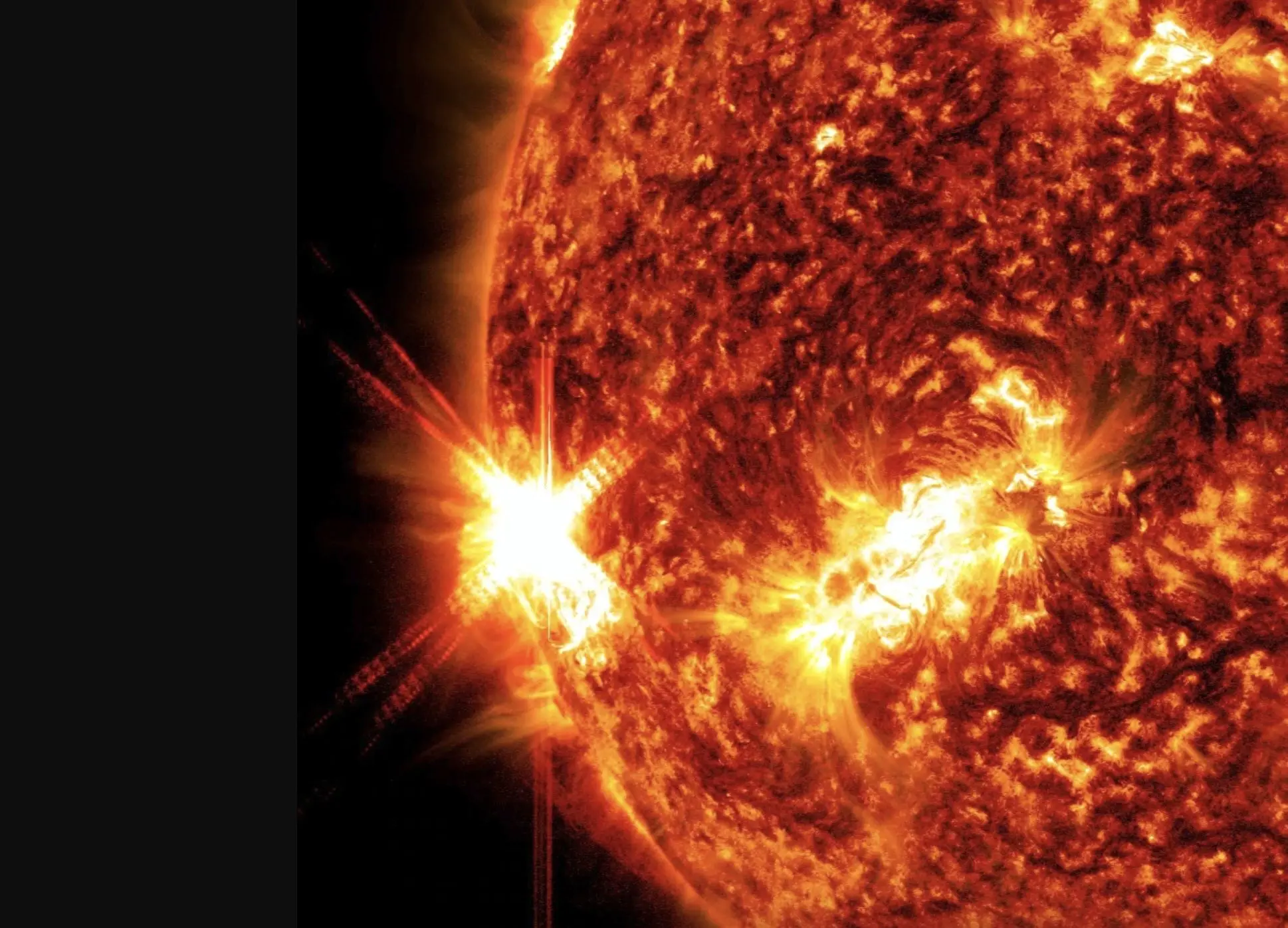
Solar flares are intense bursts of radiation from the Sun, caused by the release of magnetic energy associated with sunspots. These phenomena are vital not just for scientists studying the Sun, but also for understanding their impact on Earth and technological systems. With recent advancements in solar observation, the study of solar flares has grown increasingly relevant, especially given the potential for disruptions in satellite communications and power grids.
What Are Solar Flares?
Solar flares are categorized by their intensity, with classification ranging from A (the weakest) to X (the strongest). The most powerful flares can release energy equivalent to millions of hydrogen bombs. These bursts of energy emit radiation across the electromagnetic spectrum, including visible light, radio waves, and X-rays. Understanding these classifications enables scientists to predict their potential effects on Earth.
Recent Events and Observations
In recent weeks, the National Oceanic and Atmospheric Administration (NOAA) and NASA have reported an increase in solar activity, including several moderate to strong solar flares. A notable X-class flare erupted on October 5, 2023, causing temporary disruptions in radio communications across parts of the Americas and leading to heightened auroral activity in northern regions. The flare was part of a broader solar cycle that is expected to peak in the coming years, increasing the likelihood of more solar events.
Monitoring solar flares has become more sophisticated, with satellites like the Solar Dynamics Observatory providing real-time imagery of the Sun. Scientists use this data to improve models predicting how solar flares affect space weather and, consequently, how they can impact Earth.
The Implications of Solar Flares
The impact of solar flares extends beyond picturesque auroras. The radiation produced can interfere with satellites, GPS systems, and even power grids, leading to possible blackouts. The Federal Aviation Administration (FAA) and other agencies monitor solar activity closely to ensure safety in aviation and other industries affected by space weather.
Conclusion
As we continue to observe increasing solar activity, the study of solar flares is crucial for understanding and mitigating their effects on modern technology and daily life. The significance of these phenomena underscores the importance of continued investment in solar research and monitoring. With solar activity expected to intensify, staying informed about solar flares can help mitigate risks, ensuring the safety of our technological infrastructure and enhancing our understanding of the Sun’s behavior.