Introduction to Reformation Day
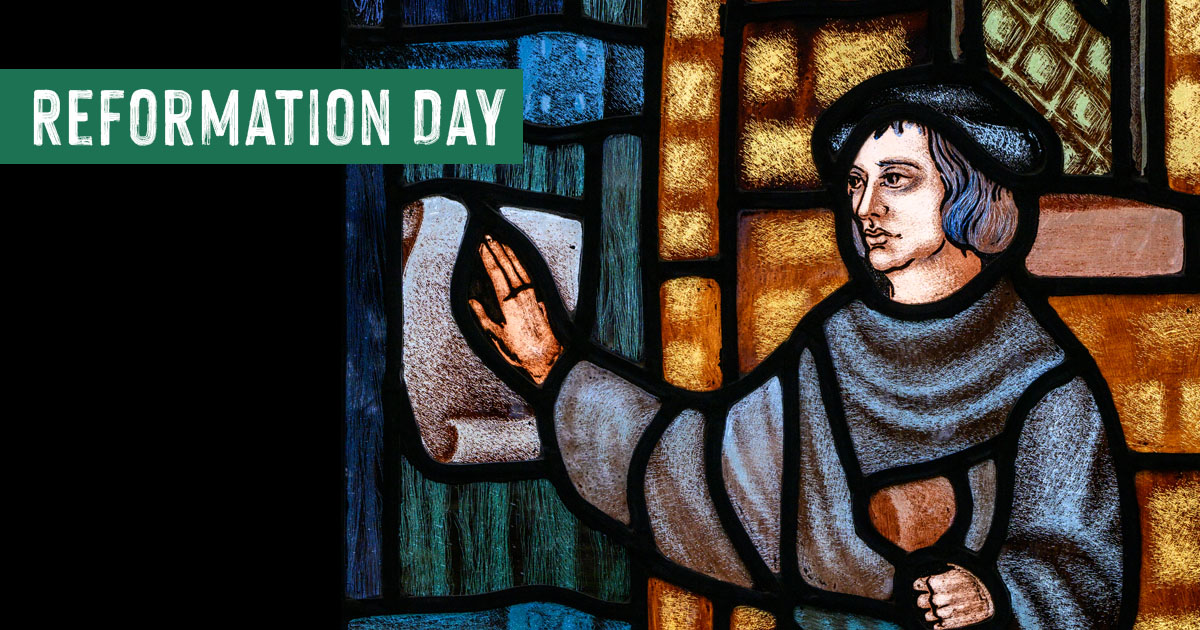
Reformation Day, celebrated on October 31st, marks a pivotal moment in Christian history when Martin Luther nailed his 95 Theses to the church door in Wittenberg, Germany, in 1517. This event sparked the Protestant Reformation, which fundamentally altered the landscape of Christianity, leading to the emergence of various Protestant denominations. Understanding Reformation Day is crucial not just for those within the Christian faith but also for historical awareness, as it played a significant role in shaping modern Western society.
The Origins of Reformation Day
Reformation Day originated among Protestant communities, particularly Lutheran traditions, which commemorate Martin Luther’s act of defiance against the Catholic Church’s practices at the time, including the sale of indulgences. Luther’s 95 Theses criticized these practices and called for reform. His courageous stand ignited a movement focused on scripture, faith, and the individual’s relationship with God, leading to a schism that gave rise to various Protestant denominations.
Current Observances and Traditions
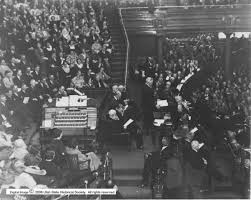
Today, Reformation Day is observed in various ways across different denominations. For many Lutheran and some Reformed churches, it includes special services featuring readings from Luther’s works, hymns such as ‘A Mighty Fortress Is Our God,’ and sermons focused on the themes of faith and grace. In some regions, the day is also an occasion for community events, educational discussions, and theological workshops aimed at understanding the historical and ongoing significance of the Reformation.
The Relevance of Reformation Day Today
In contemporary society, Reformation Day serves as a reminder of the importance of questioning established norms and the pursuit of truth. It encourages individuals to reflect on their own beliefs and the implications of those beliefs on society. The Protestant Reformation laid the groundwork for principles such as individual rights and the freedom of conscience, which continue to resonate today. Moreover, the ecumenical dialogue that continues among various Christian denominations serves as a testament to the progress made since the Reformation in fostering understanding and cooperation.
Conclusion
As we observe Reformation Day, it is essential to acknowledge not only its historical significance but also its role in promoting values like individualism and reform. The lasting impact of Martin Luther’s actions is evident in the religious diversity of today and in the ongoing discussions around faith, social justice, and moral integrity. Understanding Reformation Day allows us to appreciate the complex heritage of Christianity and encourages us to engage thoughtfully with its past as we navigate the future.