Introduction to Hurricanes
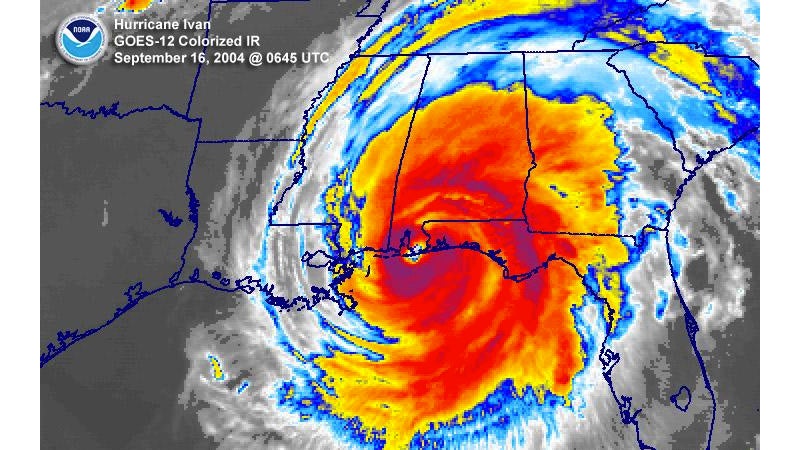
Hurricanes are among the most powerful and destructive weather phenomena on Earth. As severe tropical storms, they can produce wind speeds exceeding 157 mph, causing catastrophic damage to life and property. Understanding hurricanes weather is crucial not only for storm prediction and safety but also for grasping climate change implications as these weather events become more intense.
The Formation of Hurricanes
Hurricanes form over warm ocean waters, typically when the sea surface temperature rises above 80°F. Low atmospheric pressure and the Coriolis effect induce rotation, leading to the development of the storm. Conditions during hurricane season, particularly from June to November in the Atlantic, create an environment ripe for these massive storms.
Recent Hurricane Events
In recent years, the frequency and strength of hurricanes have raised alarms among meteorologists and climate scientists. The 2023 Atlantic hurricane season has already seen significant activity, with Hurricane Idalia making landfall in Florida as a Category 3 storm, resulting in substantial flooding and destruction across the region. Designated as one of the most active seasons in recent history, forecasters warned of the potential for more storms, emphasizing the need for preparedness.
Impact of Hurricanes on Communities
The devastation caused by hurricanes extends beyond immediate physical damage. Communities often face prolonged power outages, loss of access to clean water, and the need for emergency shelters. Economically, the cost of recovery can reach billions, affecting local and national economies. Mental health support becomes equally crucial as survivors cope with trauma and loss.
Climate Change and Future Hurricane Trends
Research indicates that climate change is playing a significant role in the evolution of hurricanes. Warmer ocean temperatures can lead to more intense storms, and rising sea levels increase the risk of storm surges in coastal areas. The National Oceanic and Atmospheric Administration (NOAA) has warned that future hurricanes might exhibit stronger wind speeds and higher precipitation rates, raising the stakes for vulnerable regions.
Conclusion: Preparing for the Unavoidable
The growing intensity of hurricanes points to an urgent need for improved forecasting, preparedness, and resilience strategies. Understanding hurricanes weather patterns, their unpredictability, and the broader impacts on communities can foster a culture of preparedness. As we look ahead, individuals and municipalities must prioritize disaster readiness to mitigate risks associated with these formidable storms.