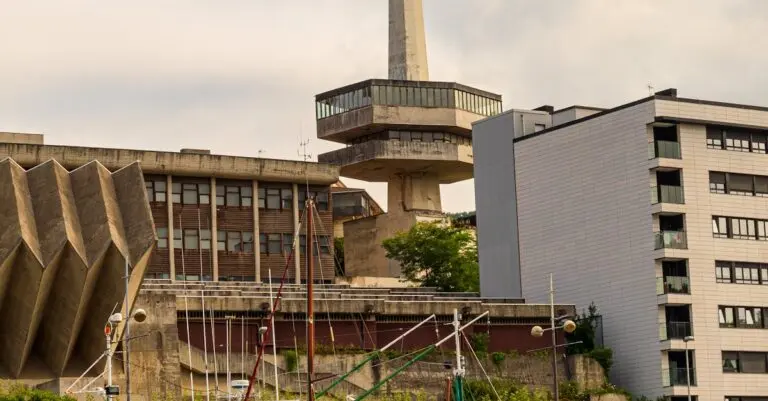
Introduction: Understanding the Urban Landscape
Cities are the heart of civilization, serving as the central hub for economic activity, cultural exchange, and innovation. As of 2023, over 55% of the world’s population lives in urban areas, a number projected to rise to 68% by 2050. This trend emphasizes the need to understand the dynamics of cities and their increasing significance in our daily lives.
The Economic Impact of Cities
Cities contribute disproportionately to global economic output. According to the World Bank, cities account for over 80% of global GDP. The concentration of businesses, skilled labor, and capital in urban areas fosters innovation and productivity. For instance, tech hubs like Silicon Valley not only drive economic growth but also influence global trends in technology and other sectors.
Cultural and Social Importance
Beyond economics, cities are cultural melting pots that bring together diverse populations, creating a unique tapestry of traditions and experiences. Cities like New York, Paris, and Tokyo are renowned for their cultural offerings—museums, theaters, and gastronomic delights—attracting millions of tourists annually, which further fuels local economies. Moreover, the social dynamics within cities can lead to new ideas and movements, shaping societal norms and values.
Challenges Faced by Urban Areas
However, rapid urbanization presents significant challenges, including housing shortages, transportation issues, and environmental sustainability. The United Nations estimates that by 2030, nearly 1.6 billion people will be living in inadequate housing conditions. Cities need to implement smart growth strategies to address these challenges while promoting sustainable development.
Future of Urban Development
As cities continue to grow, the focus is shifting towards creating smart cities that utilize technology to enhance the quality of urban life. Innovations in transportation, waste management, and energy efficiency will be crucial in shaping the sustainable cities of the future. Investments in green spaces and public transport systems are vital for improving residents’ quality of life and reducing environmental footprints.
Conclusion: Cities as the Future
In conclusion, cities are more than just geographical locations; they are complex ecosystems that foster economic growth, cultural diversity, and social innovation. As urban populations continue to rise, the importance of understanding and developing sustainable cities becomes paramount. For readers, recognizing the role of cities in shaping the future can inform choices in policy, investment, and community engagement, making them active participants in the evolution of urban life.