Introduction
Chongqing, a major city in southwest China, has surfaced as a significant cultural and economic hub in recent years. Known for its unique geography, vibrant culture, and booming economy, Chongqing is one of the fastest-growing municipalities in China. Understanding Chongqing’s relevance offers insights into the broader developments in China’s urbanization and economic strategies.
Cultural and Historical Significance
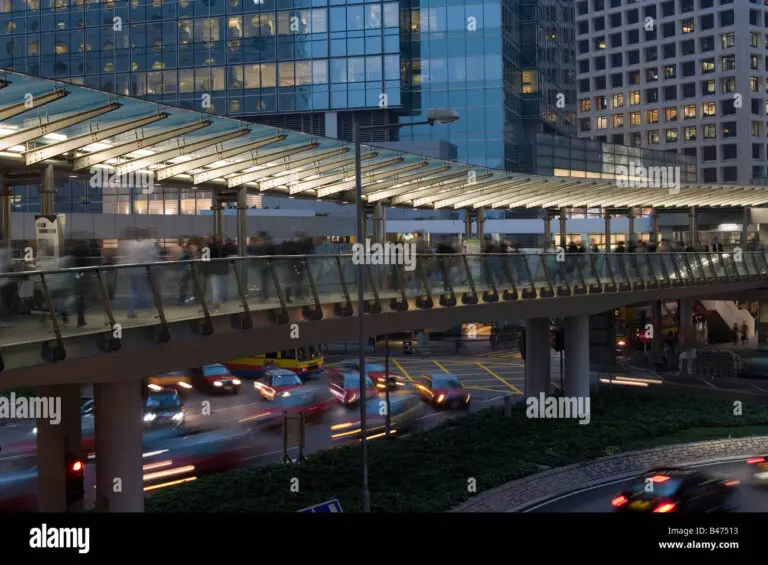
Chongqing is steeped in rich history, being a key location during World War II when it served as the provisional capital of China. Today, it is recognized for its diverse culinary traditions, particularly its famous hot pot, which attracts food lovers from around the world. The city’s unique architecture, with a mix of modern skyscrapers alongside historical sites, reflects the rapid development alongside the preservation of cultural heritage.
Economic Growth and Development
Recently, Chongqing has experienced remarkable economic growth. As of 2023, the city’s GDP has shown a robust annual growth rate of approximately 6%, significantly contributing to China’s economic landscape. The area’s industrial sector is thriving, with automotive and electronics manufacturing leading the way. Additionally, the presence of the Chongqing Liangjiang New Area, established in 2010, aims to bolster innovation and attract foreign investment.
The city also benefits from its strategic position as a transportation hub, facilitating trade and integrated logistics across West China. Amid China’s Belt and Road Initiative, Chongqing is emerging as a vital link for trade and commerce, enhancing its importance on a global scale.
Environmental and Urban Development Challenges
Despite its growth, Chongqing faces significant environmental challenges, including air pollution and urban congestion. The government has been implementing policies focused on sustainable development, aiming to balance economic growth with environmental protection. Initiatives promoting green spaces and public transport improvements are underway to enhance the urban living experience.
Conclusion
Chongqing stands as a testament to China’s rapid economic transformation and urbanization. Balancing its rich cultural heritage with modern economic demands will be crucial for the city’s sustainable future. As Chongqing continues to develop, it is likely to play an increasingly vital role both regionally and internationally. Readers interested in global economic shifts and cultural explorations will find Chongqing a city worth watching.