Introduction
Sinkholes have emerged as a pressing topic in urban planning and disaster management, particularly as climate change and heavy rainfall increase their frequency. These geological phenomena can suddenly and catastrophically collapse the ground, often resulting in severe damage to infrastructure and posing life-threatening risks. Recent events have highlighted the significance of understanding sinkholes, their causes, and their implications for communities.
What Are Sinkholes?
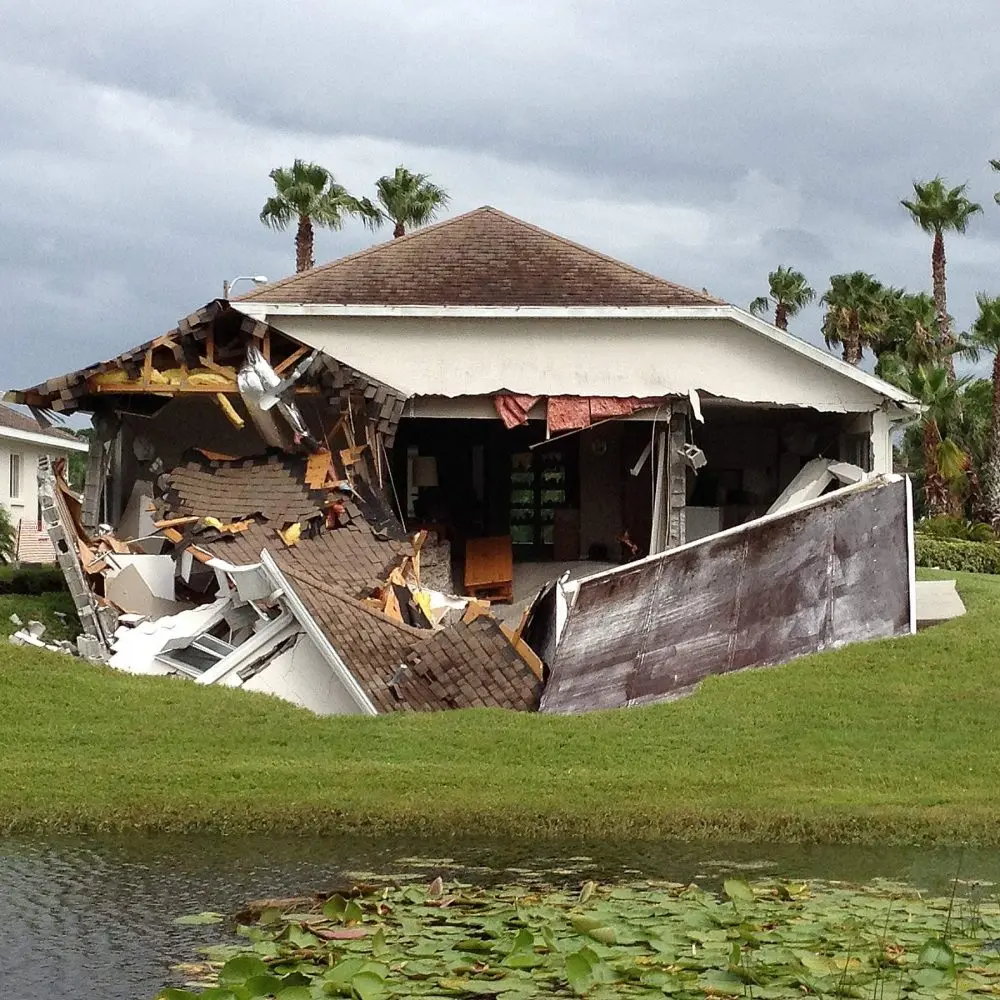
Sinkholes form when the ground beneath the surface erodes, creating a void. This can occur due to natural processes such as rainfall eroding limestone or manmade activities like drilling and mining. The sudden collapse of soil into these voids can lead to depressions in the land that may be small or cavernous, sometimes taking entire roads, houses, or even cars with them.
Recent Events
In April 2023, a significant sinkhole opened up in central Florida, swallowing a large section of a residential road. Fortunately, no injuries were reported, but the incident caused significant property damage and raised concerns about future safety in the area. Similarly, another sinkhole in Mexico City, which occurred earlier this month, resulted in the evacuation of over 30 homes due to the immediate threat it posed to residents. Experts have noted that such occurrences are becoming increasingly common in urban settings, underscoring the need for improved infrastructure inspection and emergency response strategies.
Causes of Sinkholes
Factors leading to sinkhole formation can vary widely, but they typically include:
- Natural Erosion: Rainwater can slowly dissolve soluble bedrock such as limestone, gypsum, or salt.
- Heavy Rainfall: Intense precipitation can saturate the ground, increasing pressure on the soil.
- Manmade Activities: Construction, mining, and excessive groundwater extraction can destabilize the ground.
Conclusion
As sinkholes continue to present challenges for urban environments, it is essential for communities to adopt proactive measures. This includes regular geological assessments, improved water management practices, and public awareness campaigns. Recognizing the signs of possible sinkhole development can help mitigate risks. Ultimately, with climate change predicted to worsen the frequency of extreme weather, acknowledging the growing threat of sinkholes is critical for ensuring the safety and stability of our communities.