Introduction
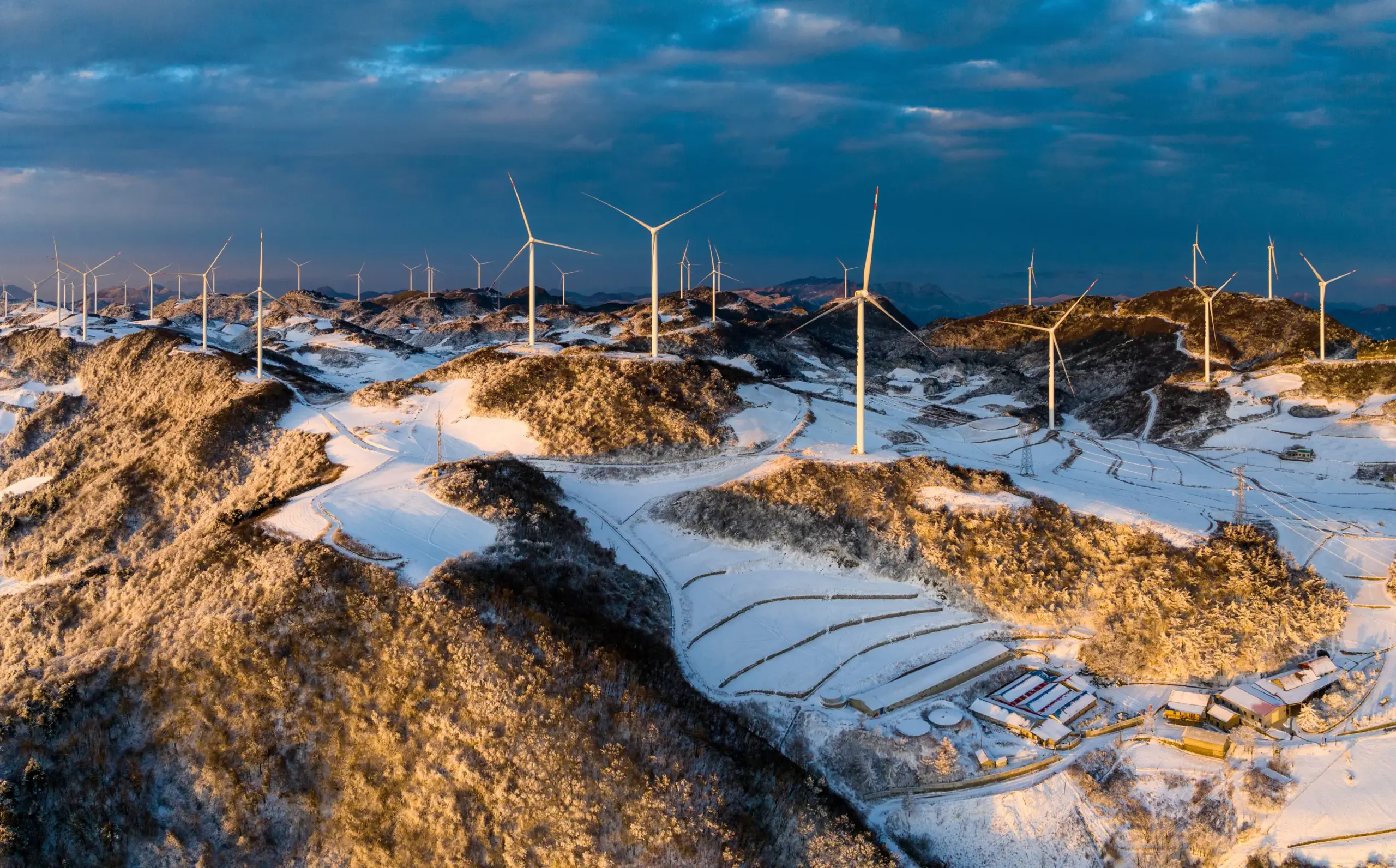
Wind energy is becoming a cornerstone of renewable energy production as countries worldwide look to mitigate climate change and reduce dependency on fossil fuels. China, in particular, leads in this area, boasting the largest wind power capacity globally. The significant investment in wind farms not only reinforces China’s commitment to sustainable energy but also positions it as a key player in the global renewable energy market.
The Expansion of Wind Farms in China
According to the Global Wind Energy Council, China accounted for approximately 50% of all newly installed wind capacity in 2020, bringing its total capacity to over 280 gigawatts. This rapid expansion is driven by government policies promoting clean energy and reducing carbon emissions. China’s government set ambitious goals in the 14th Five-Year Plan (2021-2025), targeting 1.2 terawatts of installed wind and solar capacity by 2025, as part of its broader commitment to achieve carbon neutrality by 2060.
Key Projects and Innovations
Some of the notable wind farm projects in China include the Gansu Wind Farm, the largest onshore wind power project globally, and the Jiangsu Yangxi Shengdong offshore wind farm, which is among the largest offshore installations. The development of floating wind technology is also gaining traction, enabling installations in deeper waters where wind speeds are higher and more consistent.
Benefits and Challenges
The environmental benefits of wind farms are substantial, providing a clean source of energy that lowers greenhouse gas emissions. Additionally, they contribute to job creation in manufacturing, installation, and maintenance sectors. However, challenges persist, such as land use conflicts, resource allocation, and the integration of wind energy into the existing power grid, which can strain infrastructure.
Conclusion
The ongoing development of wind farms in China represents a significant step towards achieving energy sustainability and combating climate change. As the country continues to innovate and expand its capacity, it sets an example for others to follow. The future of energy may very well depend on how effectively nations adapt and invest in renewable resources like wind power. For readers, the implications are profound: as global energy paradigms shift, the importance of clean energy solutions will grow, influencing economic, environmental, and social landscapes worldwide.